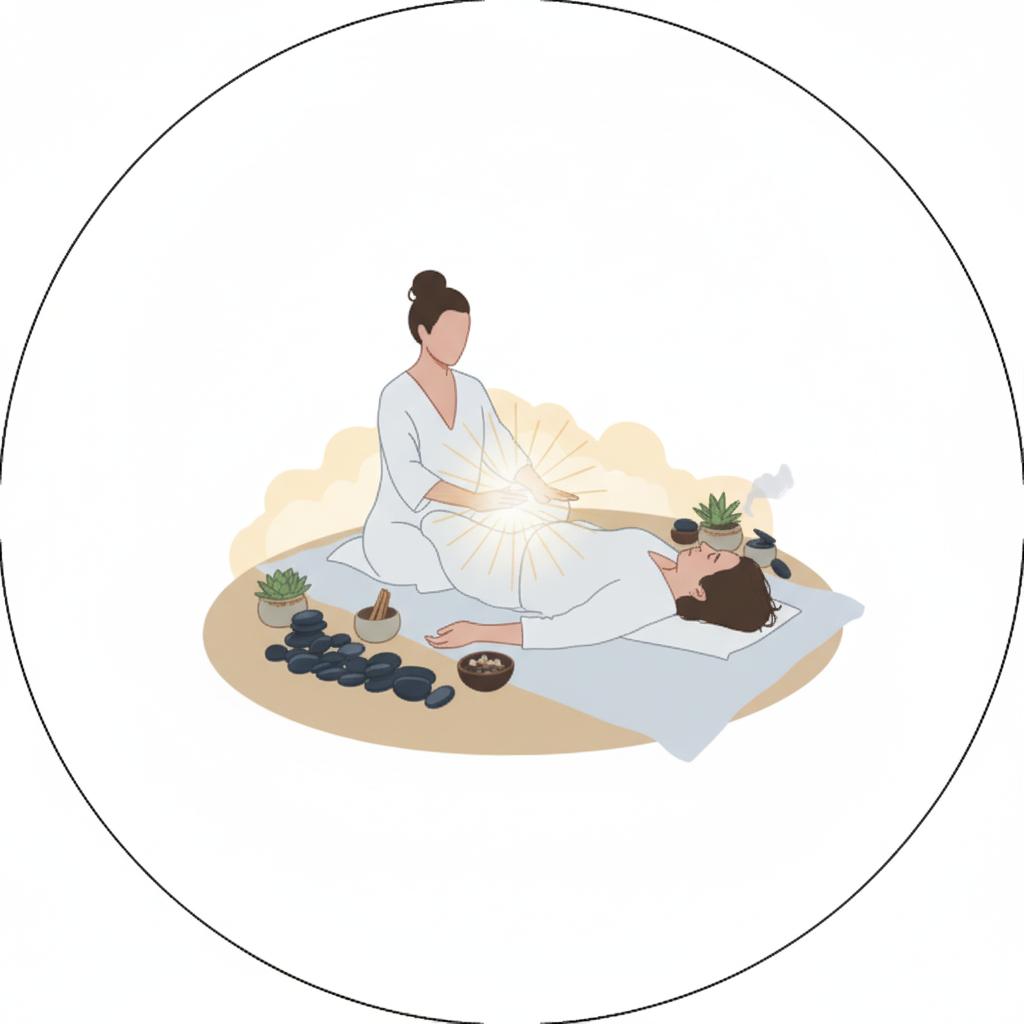
Understanding What to Expect from a Reiki Session
Reiki is a healing technique that utilizes the energy surrounding us to promote relaxation and well-being. If you’re considering a reiki session, you might wonder what to expect. Understanding this can help you feel more comfortable and open to the experience. Let’s explore the common elements you can anticipate during a reiki session.
Arriving at Your Session
When you first arrive for your reiki session, the practitioner will greet you warmly. Most often, a brief conversation takes place where you can share your reasons for seeking reiki. This not only helps the practitioner tailor the session to your needs but also builds a sense of trust. Expect a calm and welcoming environment, designed to enhance your sense of relaxation.
The Setting
The ambiance of a reiki room is vital for your experience. Typically, the space will be softly lit and may include calming elements like soothing music or the faint scent of aromatherapy oils. The atmosphere is designed to help you soften into a state of peace and calm.
Your Comfort During the Session
Your comfort is the priority during a reiki session. You will usually lie down fully clothed on a massage table. Pillows and blankets may be provided to ensure you’re comfortable. If you have specific preferences or areas of concern, such as the need for additional support or heat, don’t hesitate to communicate this before starting the session.
The Reiki Process
Once you’re settled in, the practitioner will begin the session. They typically start by placing their hands gently on or above your body. The level of touch can vary depending on your comfort and choice. Here’s what might happen during the session:
- You may feel a sensation of warmth or tingling as the practitioner channels energy.
- Some people report feelings of deep relaxation, peace, and even lightness.
- While others can experience emotional releases, such as mild sadness or laughter.
These sensations are part of the healing process and vary from person to person. It’s essential to stay open to whatever you may feel during the session.
Your Experience During the Session
During the reiki session, you might drift in and out of consciousness. This is entirely normal. You may fall asleep, which is a sign that your body is entering a healing state. If your mind wanders, acknowledge it, and then gently bring your focus back to your breathing. Many find it helpful to set an intention before beginning, allowing you to channel your energy toward specific areas of healing.
After the Session
Once the session concludes, your practitioner may offer you water, as staying hydrated is important for the energy movement initiated during the session. They might also take a moment to discuss your experience and share insights observed during the treatment.
Potential Aftereffects
Reiki can have a variety of aftereffects, often dependent on individual sensitivity. Some common experiences include:
- Heightened relaxation that may last for several days.
- Emotional clarity and a sense of lightness.
- Occasional fatigue or increased energy, as your body adjusts.
It’s essential to allow yourself some time to absorb the experience. Consider journaling your feelings or meditating afterward to connect with the changes in your energy.
Frequency of Sessions
Many find regular reiki sessions beneficial for long-term emotional and physical well-being. While some may choose to attend weekly sessions, others might prefer monthly visits. The frequency often depends on personal goals, stressors, or health needs. Communicate with your practitioner about what feels right for you.
Ultimately, the experience of a reiki session can vary but is centered around your individual needs and feelings. By knowing what to expect, you can ease into the process and allow the healing energy of reiki to work for you. Embrace this opportunity for yourself and open your heart to the healing journey.
The Benefits of Reiki Therapy for Physical and Emotional Well-being
Reiki therapy has gained popularity in recent years as an alternative healing method that promotes physical and emotional well-being. If you’re curious about how this gentle practice works and what it can do for you, understanding its benefits can help you make an informed decision about trying it out.
During a Reiki session, practitioners use their hands to channel energy into the client’s body. This is believed to restore balance and promote healing. Many people report feeling deeply relaxed during these sessions, which can lead to a reduction in stress and anxiety. Here are some of the benefits that Reiki therapy can offer:
Physical Benefits
Reiki can support various physical ailments. Here are some of the specific benefits:
- Pain Relief: Many people turn to Reiki for relief from chronic pain conditions, including arthritis, headaches, and back pain. The energy healing can help reduce discomfort by promoting relaxation and releasing tension.
- Enhanced Immune Function: By promoting relaxation and reducing stress, Reiki can help boost the immune system. A stronger immune response helps your body fight off illness more effectively.
- Improved Sleep Quality: If you struggle with insomnia or other sleep disorders, Reiki therapy may help. The relaxation experienced during the session can carry over into your nightly routine, leading to deeper and more restful sleep.
- Accelerated Recovery: Whether recovering from surgery or an injury, Reiki can help enhance healing. Many patients report faster recovery times and reduced post-surgical pain.
- Support for Chronic Conditions: Conditions like fibromyalgia or cancer can be overwhelming. Reiki can serve as a complementary therapy that helps patients cope with symptoms and treatment side effects.
Emotional Benefits
Reiki is not just about physical healing; it also addresses emotional health. The peaceful environment created during a session can lead to significant emotional benefits, such as:
- Stress Reduction: Stress affects nearly everyone, impacting overall health and well-being. Reiki sessions can induce a state of deep relaxation, helping to alleviate stress and tension.
- Anxiety Relief: Many individuals experiencing anxiety find that Reiki helps calm their minds. The gentle energy flow can create a sense of peace and stability.
- Enhanced Emotional Clarity: For some, Reiki can spark insights and clarity regarding emotional issues or challenging situations. As energy blocks are cleared, new perspectives may emerge.
- Improved Mood: Regular sessions may foster overall emotional balance and well-being, leading to improved moods and outlooks on life.
- Support for Trauma Recovery: Reiki can be particularly helpful for those who have experienced trauma. It allows individuals to safely explore emotions associated with their experiences, often providing a sense of comfort and support.
What to Expect During a Session
If you’ve never experienced Reiki therapy, you might be wondering what to expect. Typically, the session lasts about 60 to 90 minutes where you lie down fully clothed while the practitioner gently places their hands on or above your body. Many people report feeling sensations like warmth or tingling, while others simply relax and drift into a peaceful state. The environment is usually serene, designed to promote relaxation and comfort.
As you can see, Reiki therapy offers a range of benefits that can enhance both physical and emotional well-being. It serves as a complementary treatment that supports your overall health, making it a powerful option for those looking to improve their life quality.
Before trying Reiki, consider talking to a practitioner to discuss your individual needs and goals. Each session is unique and tailored to meet your specific circumstances. With its growing acceptance and numerous reported benefits, Reiki could be the perfect addition to your wellness routine.
Conclusion
Experiencing a Reiki session can be a transformative journey that enhances both physical and emotional well-being. As you enter, expect a calm and inviting atmosphere that sets the stage for relaxation and healing. The gentle touch of the practitioner, combined with the healing energy, often leads to a profound sense of peace, making it an essential practice for those looking to relieve stress and promote overall wellness.
Reiki therapy goes beyond mere relaxation; it actively supports your emotional health. Many people find that it helps to release pent-up emotions, leading to a clearer mindset and greater mental clarity. Whether you’re dealing with anxiety, chronic pain, or just the everyday stress of life, Reiki offers a holistic approach to healing. As the session unfolds, be open to the sensations and feelings that arise. Each person’s experience can vary, but many report a significant reduction in tension and an enhanced sense of balance.
Trust in the process and allow yourself to be vulnerable. Embracing a Reiki session can lead to notable improvements in how you feel both physically and emotionally. In the following days after your session, you may notice ongoing benefits, such as improved mood or heightened self-awareness. As you consider adding this practice to your routine, remember that the key to maximizing its benefits lies in your willingness to embrace the process and open yourself to the healing energy. With an open heart and mind, Reiki can be a gentle yet powerful tool for personal growth and well-being.
Leave a Reply