What Happens to Your Body After Reiki: Physiological and Emotional Changes
Reiki has grown in popularity as a holistic healing practice aimed at promoting relaxation and well-being. After a Reiki session, individuals often report various physiological and emotional changes that can significantly enhance their overall quality of life. Understanding what happens to your body post-Reiki can empower you to make informed decisions about integrating this healing technique into your wellness regimen.
One of the most immediate effects you may notice after a Reiki session is deep relaxation. This sense of calm is not just a fleeting feeling; it can manifest physically as your body transitions into a more peaceful state. Your heart rate may slow, your muscles may loosen, and your breathing may become deeper and more rhythmic. This relaxation response is essential as it helps reduce stress levels, which can lead to various health benefits, including lowered blood pressure and improved digestion.
Another physiological change that often accompanies Reiki is the release of toxins from your body. During a session, energy is believed to flow freely, opening up energy channels that may have been blocked. As these channels clear, your body can begin to detoxify, which may lead to temporary symptoms such as mild headaches or fatigue. While these reactions can be frustrating, they are often seen as part of the healing process, indicating that your body is releasing built-up tension and negativity.
In addition to relaxation and detoxification, you might experience changes in your sensory perceptions. Some people report heightened awareness of their body and surroundings following a Reiki session. This increased sensitivity can help you notice areas of tension or discomfort that may have previously gone unnoticed. Being more in tune with your body can empower you to take proactive steps towards self-care, whether that means adjusting your posture or engaging in mindful breathing practices.
Emotionally, Reiki has the potential to promote significant healing. Many individuals experience a release of pent-up emotions during or after a session. This is often described as feeling lighter or more uplifted. The process can involve confronting feelings that may have been buried, such as sadness or anger, leading to a cathartic experience. This emotional release is not only refreshing but can also pave the way for personal growth and healing from past traumas.
Here are some common emotional changes you may experience post-Reiki:
- Improved mood: Many individuals find they feel more optimistic and cheerful after a session.
- Increased sense of clarity: Reiki can help clear mental fog, allowing for better decision-making and focus.
- Enhanced compassion: You may feel more connected to yourself and others, fostering deeper relationships.
- Heightened intuition: Some report a greater sense of trust in their instincts following a session.
Physiologically, you may also notice changes in your sleep patterns. Many people find that they sleep better and feel more rested after integrating Reiki into their lives. This improved quality of sleep can lead to a more balanced mood and enhanced cognitive functions throughout the day. Furthermore, the calming effects of Reiki can help alleviate symptoms of insomnia, making it an attractive option for anyone struggling with sleep issues.
If you’ve been dealing with chronic pain, it’s not uncommon to feel temporary relief following a Reiki session. While Reiki should not replace conventional medical treatment, many users report a reduction in pain levels as a beneficial side effect of this energetic healing. This pain relief can correlate with the relaxation response and the flow of healing energy throughout the body, promoting recovery.
When considering the benefits of Reiki, it’s essential to note that the experience can vary from person to person. Some may find immediate relief and positive changes, while others may need multiple sessions to notice significant shifts. Regardless, many people find that regular Reiki treatments contribute to an overall sense of well-being and a more balanced life.
Ultimately, understanding what happens to your body after Reiki can help you appreciate and harness its healing potential. By embracing both the physiologically grounding and emotionally uplifting changes that occur, you can enhance your personal wellness journey while opening your heart and mind to new possibilities.
Understanding the Benefits of Reiki for Stress Relief and Overall Well-Being
In today’s fast-paced world, stress can feel like an unwelcome companion in our daily lives. Many people are searching for effective ways to find calm, restore balance, and enhance their overall well-being. Reiki, a form of energy healing, has gained popularity as a method to achieve these goals. This gentle practice can have profound effects on your body and mind. Understanding the benefits of Reiki can help you see why it is becoming a go-to option for stress relief and better health.
What is Reiki?
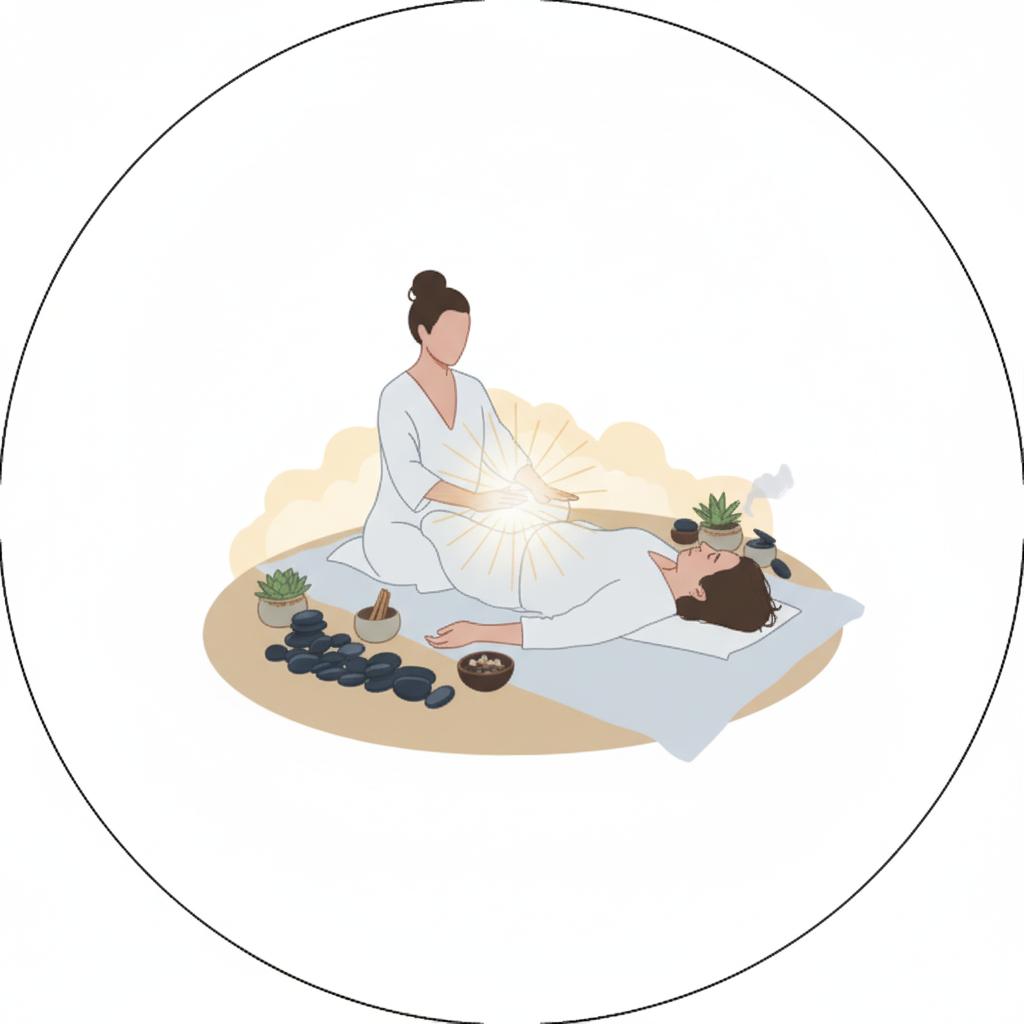
Reiki is a Japanese healing technique that focuses on channeling energy through the hands of a practitioner to promote relaxation and healing. The term “Reiki” translates to “universal life energy,” which underscores its holistic approach. During a Reiki session, a recipient typically lies down fully clothed while the practitioner lightly places their hands on or just above the body. The intention is to help the recipient tap into their own healing abilities.
Stress Relief through Reiki
One of the primary benefits of Reiki is its effectiveness for stress relief. People often report feeling deeply relaxed during and after their sessions. Here’s how Reiki helps reduce stress:
- Promotes Relaxation: Reiki encourages your body to enter a state of deep relaxation, helping to reduce anxiety levels and easing mental tension.
- Increases Energy Flow: By clearing blockages in energy pathways, Reiki allows a free flow of positive energy, which can help combat feelings of stress and fatigue.
- Enhances Emotional Balance: The practice encourages emotional healing, which can lead to a more balanced state of mind and better coping mechanisms.
Physical Benefits of Reiki
Reiki not only provides mental and emotional support but also offers significant physical benefits. Below are some of the ways your body can benefit from this healing practice:
- Boosts Immune Function: Regular Reiki sessions are believed to enhance your immune response, making your body more resilient against illness.
- Reduces Pain: Many individuals find that Reiki helps alleviate chronic pain or discomfort, offering a natural relief method without the use of medications.
- Promotes Sleep Quality: The relaxation achieved during Reiki can lead to better sleep patterns, helping those who struggle with insomnia or restless nights.
Improves Mental Clarity
Along with its physical and emotional benefits, Reiki can also enhance mental clarity. When your mind is clear, you can make better decisions and feel more focused. Here are some specific ways Reiki can help improve mental clarity:
- Reduces Mental Fog: By calming the mind, Reiki may help reduce feelings of confusion or cloudiness, enabling you to think more clearly.
- Enhances Intuition: Many practitioners find that Reiki helps them connect with their intuition more effectively, allowing them to trust their instincts.
- Increases Creativity: A relaxed mind can open up pathways for creativity. Many artists and writers use Reiki to enhance their creative flow.
Improving Overall Well-Being
When you incorporate Reiki into your self-care routine, you may notice a noticeable improvement in your overall well-being. This means feeling more balanced, more energized, and more in tune with yourself. Several people also report an increased sense of inner peace and happiness.
How to Get Started with Reiki
If you are interested in exploring the benefits of Reiki for stress relief, starting is simple:
- Find a Qualified Practitioner: Look for someone who is certified and has good reviews from clients.
- Prepare for Your Session: Wear comfortable clothes and come with an open mind. Bring any specific areas of concern you’d like to address.
- Regular Sessions: Consider scheduling regular sessions to maximize the benefits you receive from the practice.
Ultimately, Reiki provides a unique approach to healing that addresses not just the symptoms, but the root causes of stress and discomfort. By tapping into the healing energy of Reiki, many individuals find a pathway to improved health and greater tranquility in their lives. As you embark on your journey with Reiki, you may discover how truly transformative this practice can be.
Conclusion
After experiencing Reiki, you may notice a variety of physiological and emotional changes that contribute to your overall well-being. The gentle energy flow facilitated by a Reiki practitioner can help release blockages, promote relaxation, and balance your body’s energy. Many individuals report feeling lighter and more at peace, which can lead to reduced stress levels. These sensations can be attributed to the activation of your body’s natural healing processes.
Engaging in Reiki may also improve your emotional state. As stress dissipates, feelings of anxiety and tension often give way to a sense of calm and clarity. This newfound emotional stability can foster a more positive outlook on life, enhancing your ability to cope with everyday challenges. Additionally, regular sessions can aid in supporting mental clarity, allowing you to focus better and make decisions more easily.
The benefits of Reiki extend beyond the immediate effects; they can be long-lasting. As you continue to engage in this holistic practice, it might boost your resilience against stressors, improve your overall mood, and lead to healthier lifestyle choices. The mind-body connection nurtured through Reiki can be a transformative experience, reminding you to cultivate self-care and mindfulness.
By incorporating Reiki into your wellness routine, you empower yourself to take charge of your health journey. You open the door for healing, not only physically but also emotionally—creating a harmonious balance that enhances your quality of life. Embracing this practice can lead to profound changes, making you feel more connected to yourself and the world around you.
Leave a Reply