Exploring the Benefits of Reiki: A Path to Wellness
Reiki is an ancient healing practice that promotes relaxation and emotional balance through gentle touch. Many people are discovering the numerous benefits it offers as a path to overall wellness. So, what exactly are the benefits of Reiki, and how does it work?
The Essence of Reiki
Reiki is rooted in Japanese philosophy, based on the concept of “ki” or vital life force energy. Practitioners believe that this energy flows through everyone and everything. When the energy is balanced and flowing freely, it leads to harmony and good health. On the other hand, when it is blocked or depleted, it may result in physical or emotional distress.
How Reiki Works
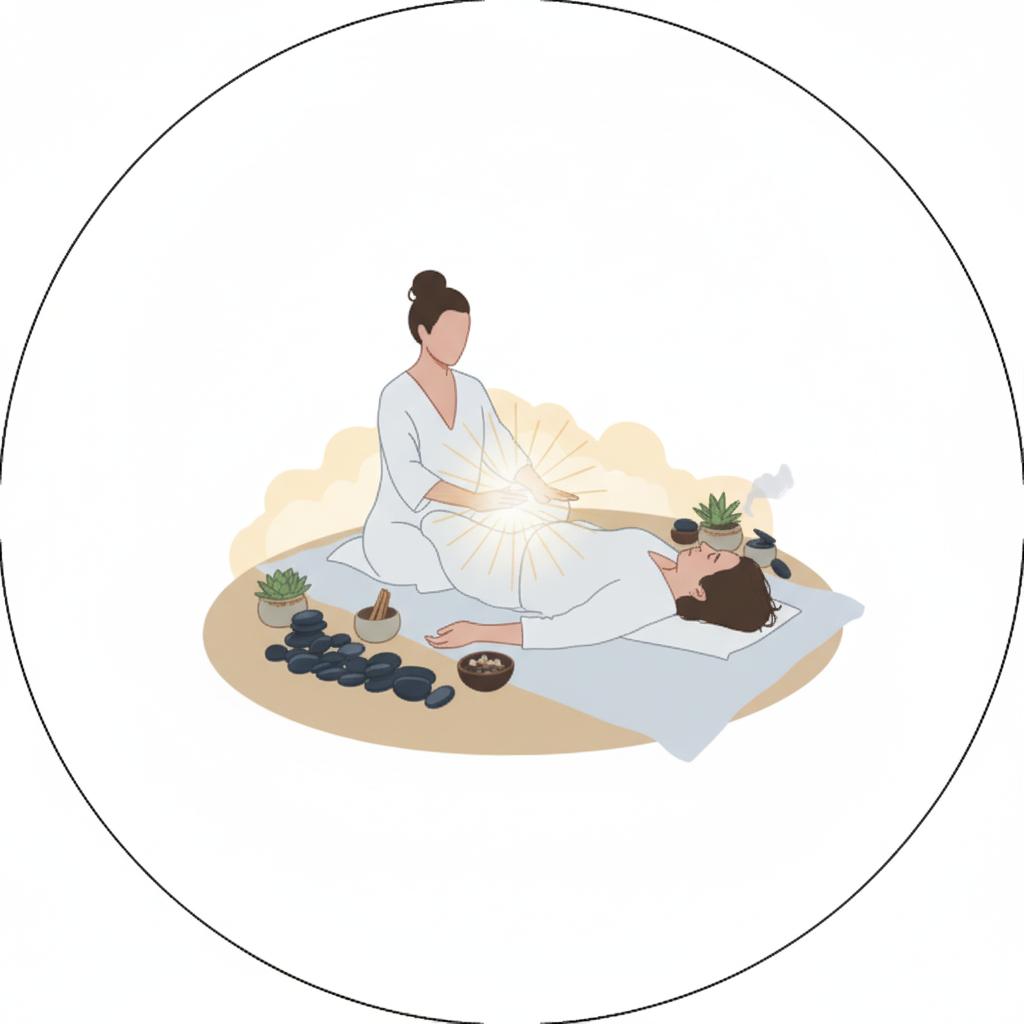
During a Reiki session, a practitioner lightly places their hands on or just above the recipient’s body. The objective is to channel energy and activate the body’s natural healing processes. This practice can be performed in-person or remotely, making it accessible to individuals regardless of location. The hands-on approach helps to create a calm environment where stress can diminish, allowing individuals to relax deeply.
Top Benefits of Reiki
- Stress Reduction: One of the primary benefits of Reiki is its ability to reduce stress. By promoting deep relaxation, Reiki can help lower anxiety levels, which is essential for overall health.
- Pain Relief: Many people report decreased pain following a Reiki session. The healing energy helps alleviate discomfort, making it popular among those with chronic pain conditions.
- Enhanced Mood: Reiki can uplift your mood, promoting feelings of happiness and well-being. This emotional boost is beneficial for anyone facing challenges in their life.
- Better Sleep: Individuals suffering from insomnia or disrupted sleep patterns may find relief through Reiki. The relaxation promotes deeper, more restful sleep.
- Support for Other Treatments: Reiki is often used in conjunction with traditional medical treatments. It can help ease side effects of medications, helping patients feel more comfortable during recovery.
- Increased Clarity and Focus: Many practitioners report improved mental clarity and concentration after receiving Reiki. This enhancement can aid in decision-making and everyday tasks.
A Unique Healing Journey
Reiki is a personal journey that encourages self-discovery. Each session is unique, and different individuals might experience various sensations, emotions, or insights. This diversity is one of the many reasons why you may find Reiki particularly beneficial.
Accessibility and Versatility
One of the most appealing aspects of Reiki is its versatility. You don’t have to be experiencing a physical ailment to benefit from it. Many people use Reiki for personal growth, emotional support, or simply to recharge their energy. Whether you seek a few moments of peace in a busy day or a weekly session to maintain balance, Reiki can fit seamlessly into your health routine.
Finding a Qualified Practitioner
If you’re interested in exploring the benefits of Reiki, the first step is to find a qualified practitioner. Consider their training and experience, and don’t hesitate to ask questions about their approach. A good practitioner will create a safe and inviting environment for you to relax and receive healing.
A Journey Worth Taking
By embracing Reiki, you may open doors to a new level of wellness. Many individuals find remarkable transformations in their emotional states and physical health. Whether you are striving for relaxation or seeking to heal from trauma, Reiki offers a gentle, yet powerful, path to well-being.
Reiki serves as a holistic approach to healing that acknowledges the interconnectedness of mind, body, and spirit. As you explore its benefits, you may find that it enhances not only your health but also enriches your life with peace and clarity.
Understanding the Mechanism: How Reiki Works for Healing
Reiki is an ancient healing practice that has gained recognition in modern holistic therapy. Many people seek Reiki to facilitate relaxation, help with emotional balance, and promote physical wellness. But how exactly does it work? Understanding the mechanism behind Reiki can illuminate its potential benefits and support your healing journey.
Energy Flow in Reiki
At the core of Reiki is the belief in a universal life force energy that flows through all living beings. When this energy is blocked or depleted, it can lead to physical, emotional, or mental issues. Practitioners, called Reiki Masters, act as facilitators, helping to channel this energy from the environment and transmit it to the recipient.
Can You Feel the Energy?
During a Reiki session, most people report a sense of calm and relaxation. The practitioner lightly places their hands on or near the recipient’s body. This technique enhances the flow of energy and encourages healing. The sensation might feel warm, tingly, or even soothing, similar to a gentle hug of warmth that envelops you.
Balancing the Chakras
Reiki therapy also focuses a lot on the body’s energy centers, commonly known as chakras. There are seven primary chakras that align along the spine, each corresponding to different physical and emotional aspects of health. They include:
- Root Chakra: Found at the base of the spine, associated with basic survival needs.
- Sacral Chakra: Located in the lower abdomen, related to creativity and emotional balance.
- Solar Plexus Chakra: Situated in the upper abdomen, influencing personal power and self-esteem.
- Heart Chakra: Positioned in the center of the chest, linked to love and connection.
- Throat Chakra: Found in the throat area, governing communication and self-expression.
- Third Eye Chakra: Located between the eyebrows, associated with intuition and insight.
- Crown Chakra: At the top of the head, related to spiritual connection and awareness.
When any of these chakras are imbalanced or blocked, it can lead to discomfort, anxiety, or illness. Reiki aims to restore balance in these energy centers, encouraging overall well-being.
Emotional and Mental Healing
Reiki is not just about physical healing; it also provides significant emotional support. Many clients find it helps with anxiety, depression, stress, and trauma. The peaceful environment and gentle touch can promote emotional release, allowing individuals to process feelings that may have been trapped. Through this release, you may experience clarity and a renewed sense of hope.
Enhanced Mind-Body Connection
Furthermore, Reiki enhances awareness of the mind-body connection. It shows you how your emotional state affects your physical well-being, often highlighting areas that need attention. This understanding encourages a more proactive approach to health, prompting you to engage in more self-care practices.
Complementary to Other Treatments
Reiki is often used alongside conventional treatments. Many medical facilities integrate it to complement therapies like chemotherapy or surgery. This synergy helps reduce side effects, alleviate pain, and promote emotional support during challenging times. If you’re undergoing treatment for any condition, mentioning Reiki to your healthcare provider can be beneficial.
Accessibility and Ease of Learning
One appealing aspect of Reiki is its accessibility. It does not require a special environment or significant time commitment. Many people learn Reiki techniques themselves, enabling them to practice it on themselves or family members. This self-care tool can enhance your daily life, providing a quick way to decompress and re-energize.
Why Choose Reiki?
Reiki provides a holistic approach to well-being, addressing not just physical ailments but also emotional and spiritual facets. Whether you’re new to healing modalities or a seasoned practitioner, Reiki can offer a simple yet profound way to connect with yourself and promote healing. Embracing this practice may bring about transformative changes in your life, encouraging a greater sense of balance, peace, and health.
Conclusion
Reiki offers a unique pathway to wellness that integrates the mind, body, and spirit. By channeling universal life energy, this gentle practice encourages relaxation and promotes healing. Many individuals experience a reduction in stress, anxiety, and even physical pain through Reiki sessions. These benefits make it not only a complementary therapy but also a valuable tool for holistic health.
Understanding how Reiki works enhances its appeal. The practice focuses on energy transfer, allowing trained practitioners to facilitate the flow of healing energy. This process helps alleviate blockages and balances the body’s energy levels, creating a conducive environment for healing. As individuals engage with Reiki, they often report an increased sense of emotional clarity and mental well-being.
Whether you are looking to complement traditional medical treatments or seeking a natural way to enhance your overall health, Reiki presents a versatile option. Its non-invasive nature and focus on relaxation make it accessible to people of all ages. By embarking on a journey with Reiki, you can unlock potential benefits that resonate with your body and mind, ultimately fostering a deeper connection to yourself and your surroundings. Embracing this practice may empower you on your path to wellness, providing a harmonious balance that enhances your life in meaningful ways. Engage with Reiki and discover the transformative effects it can have on your health and well-being.
Leave a Reply