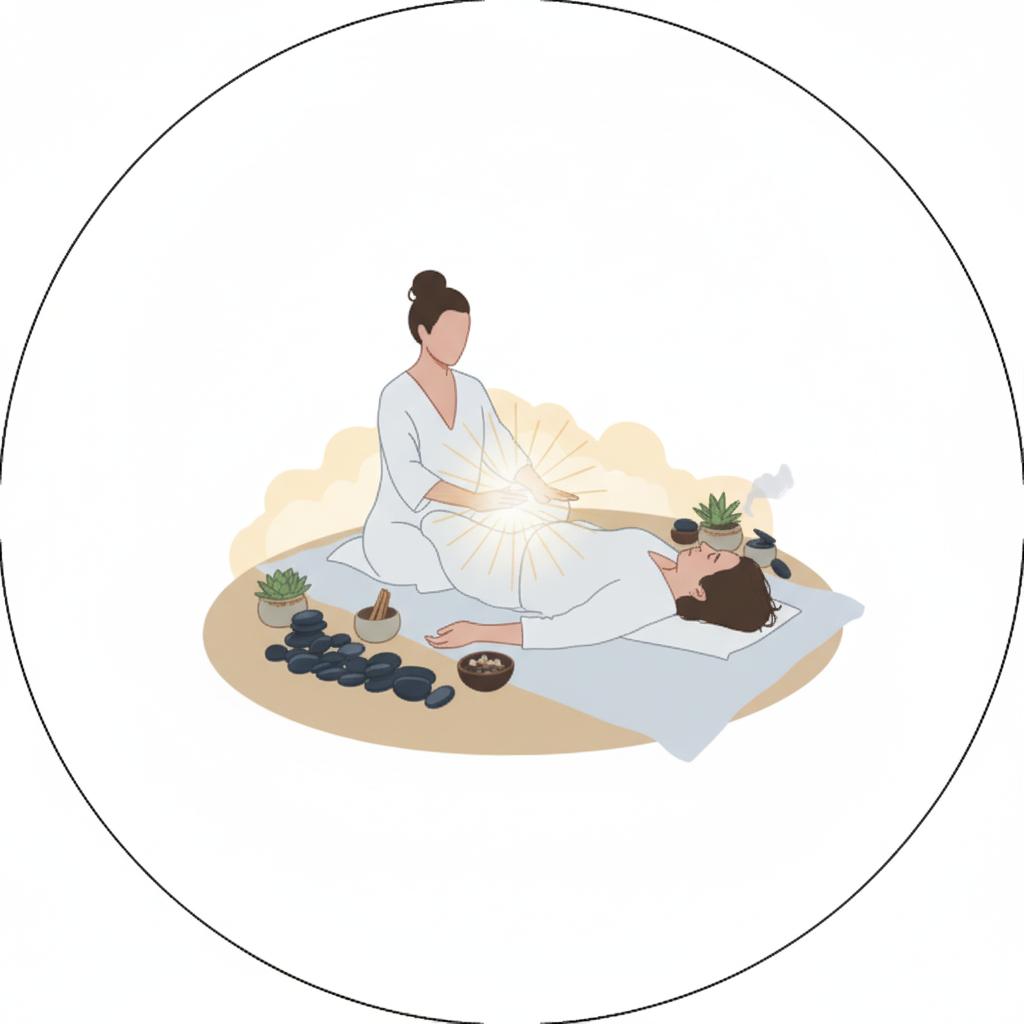
Essential Steps on How to Become a Reiki Healer
Becoming a Reiki healer can be a rewarding journey, both for you and for those you serve. Reiki is a form of energy healing that promotes relaxation, reduces stress, and enhances overall well-being. If you’re interested in becoming a Reiki healer, here are several essential steps to guide you through the process.
Understanding Reiki
Before diving into the training, it’s important to understand what Reiki is. Reiki, originating from Japan, uses universal life force energy to help heal emotional, mental, and physical issues. This energy can assist with stress relief and healing, promoting a sense of peace for both the healer and the recipient.
Researching Reiki Schools
Your journey begins by researching different Reiki schools. Look for institutions that are reputable and have experienced instructors. Here are crucial factors to consider while you evaluate your options:
- Qualifications: Verify the qualifications of the instructors. They should have substantial experience in teaching and practicing Reiki.
- Reputation: Read reviews and testimonials from former students. This can give you a sense of the school’s credibility.
- Curriculum: Ensure the curriculum covers all necessary aspects of Reiki, including principles, techniques, and practical applications.
Choosing a Reiki Level
Reiki training is typically divided into three levels:
- Level 1: This level focuses on self-healing and healing others through hands-on methods.
- Level 2: At this level, you learn distant healing techniques and gain access to symbols that enhance your Reiki practice.
- Master Level: This is for those who wish to teach others. You develop advanced skills and learn how to attune new students.
Attending Reiki Classes
Once you choose a Reiki school and level, it’s time to enroll in classes. During these sessions, you will learn about the history, philosophy, and essential techniques of Reiki. You will also practice giving and receiving Reiki, which is crucial for honing your skills. Engaging with classmates can provide support and enhance your learning experience.
Certification Process
Upon completing your training, you will typically receive a certification. This certifies that you are now a qualified Reiki healer. Make sure you follow through with all required assessments to obtain your certificate. Having a recognized certification adds credibility to your practice and instills trust in your future clients.
Practice, Practice, Practice
Practice is key in mastering Reiki. Start by practicing on friends or family members. This not only helps you become more comfortable with the techniques but also deepens your understanding of the healing process. Keep a journal to track your experiences and insights as you practice, allowing you to reflect and grow as a healer.
Creating a Healing Space
As you become more confident in your abilities, consider setting up a dedicated healing space. This should be a tranquil environment where clients can relax. Here are some tips for creating an inviting atmosphere:
- Comfortable Seating: Ensure there are comfortable places for clients to sit or lie down.
- Soothing Decor: Use calming colors, soft lighting, and decor that promotes relaxation, like plants or artwork.
- Essential Oils: Consider using aromatherapy to enhance the experience.
Continuing Education
Even after becoming a Reiki healer, continue your education. Attend workshops, read books, and join communities to stay updated on the latest practices and techniques. This ongoing learning process will enhance your skills and possibly introduce you to new methods to integrate into your practice.
Building Your Client Base
Once you feel ready, start sharing your services with others. Use social media and local community boards to promote your practice. Word of mouth is powerful in this field, so build relationships within your community to attract new clients.
Becoming a Reiki healer is a fulfilling path that requires dedication, empathy, and commitment to continuous growth. Whether you want to help others heal or simply explore the art of energy work for yourself, these steps will serve as a solid foundation for your journey.
The Benefits of Reiki Healing for Personal Well-being
Reiki healing is a holistic approach that promotes balance and well-being through energy transfer. Many people are turning to this ancient Japanese technique for its various benefits, which extend beyond simple relaxation. If you are curious about how Reiki can enhance your personal well-being, you are in the right place.
One of the primary benefits of Reiki is its ability to reduce stress. In today’s fast-paced world, stress often takes a toll on both our physical and mental health. Reiki sessions offer a calm and peaceful atmosphere where individuals can let go of their worries. During a session, practitioners channel energy to the recipient, creating a state of deep relaxation. This deep state often leads to a decrease in blood pressure and reduction in cortisol levels, promoting a sense of serenity.
Another significant advantage of Reiki is its role in emotional healing. People frequently carry emotional pain or trauma that can linger for years. This energy healing technique encourages the release of these emotional blockages. As the energy flows through the client, they may experience profound insights and emotional releases, paving the way for healing. This emotional freedom can enhance overall happiness and clarity in life.
Reiki can also enhance physical well-being. Many have reported physical ailments alleviated after receiving Reiki treatments. These can range from chronic pain to symptoms related to chronic illnesses. The energy helps stimulate the body’s natural healing processes. When energy blocks are cleared away, it can result in improved circulation and more effective immune responses. Individuals who suffer from conditions such as headaches, fatigue, or digestive issues often turn to Reiki seeking relief.
Furthermore, Reiki supports mental clarity and focus. Even busy professionals or students can benefit from this aspect of Reiki healing. After a session, many report feeling more centered and composed, which leads to improved concentration and decision-making skills. The rejuvenation that comes with a Reiki treatment can help clear mental fog, leading to enhanced productivity.
Another interesting aspect of Reiki is its capacity to improve sleep quality. Many people struggle with sleep disorders or insomnia due to stress and anxiety. Reiki promotes restful sleep by soothing the mind and relaxing the body. Clients often notice an immediate improvement in their sleep patterns after a single session. Better sleep leads to increased energy levels and overall wellness.
Many people also find that Reiki promotes a sense of connection and well-being within a community. Engaging in Reiki sessions or training often brings together like-minded individuals who share a passion for healing and personal growth. This communal aspect fosters friendships and support networks that can enhance personal fulfillment.
The following list showcases just some of the many benefits of Reiki healing:
- Decreases stress and anxiety levels
- Encourages emotional healing and release
- Supports physical healing and alleviates pain
- Enhances mental clarity and focus
- Improves sleep quality
- Fosters a sense of community and connection
As you explore the benefits of Reiki, you may want to consider finding a certified practitioner. Seek out someone whose energy resonates with you, as the connection between the practitioner and the client can significantly affect the experience. A comfortable environment is also crucial, as it allows you to relax fully and receive the maximum benefit from each session.
Reiki into your self-care routine can significantly shift your overall well-being. Whether you seek relief from physical ailments or simply want to rejuvenate your spirit, Reiki healing offers a wealth of positive effects. You deserve to find peace and joy in your life, and Reiki may be just the right tool to facilitate that healing journey.
Reiki healing envelops you in an experience that nurtures your body, mind, and spirit. By embracing its benefits, you embark on a journey toward improved well-being and a healthier, happier life.
Conclusion
Becoming a Reiki healer is a rewarding journey that not only enhances your own well-being but also empowers you to help others. By following the essential steps to develop your skills—such as finding a qualified teacher, engaging in hands-on practice, and achieving certification—you lay a solid foundation for your healing practice. Each of these steps not only builds your knowledge but also helps cultivate the energy sensitivity needed to facilitate healing.
The benefits of Reiki extend beyond just the practice itself. Many practitioners experience a greater sense of peace, reduced stress, and improved emotional balance. By harnessing the universal life force energy, you can foster a profound connection with both yourself and your clients, allowing for deep healing. This interaction can lead to increased empathy and understanding, enriching your relationships and enhancing your personal growth.
As you embark on this transformative path, remember that becoming a Reiki healer is not just about learning techniques; it’s also about nurturing your spirit and the spirits of those around you. Each session offers an opportunity to spread compassion and healing, both physically and emotionally. Embrace this journey with an open heart, and you’ll find that the energy you share will come back to benefit you, creating a positive ripple effect in your life and the lives of others. The path to becoming a Reiki healer is not merely a career choice; it is a calling that invites you to merge your passions with a higher purpose.
Leave a Reply