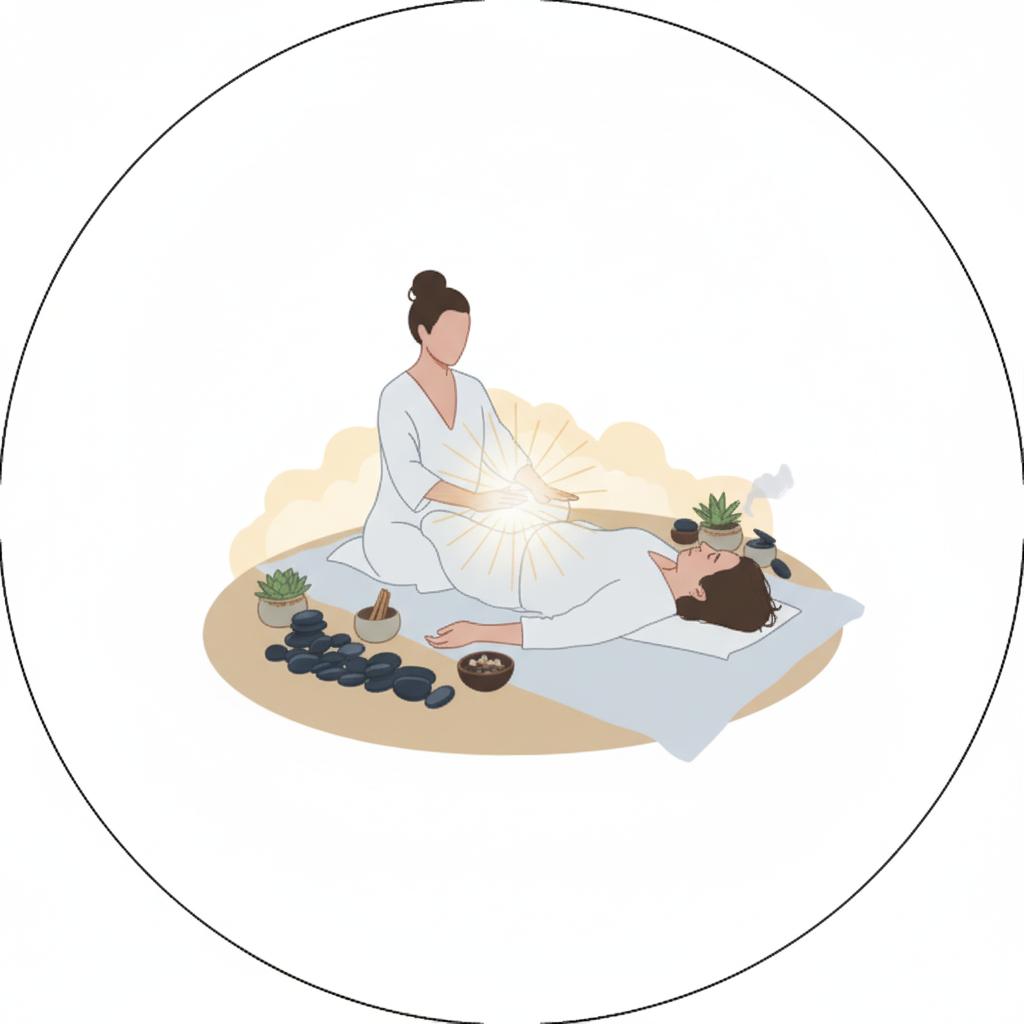
Can You Do Reiki on Yourself? Exploring Self-Practice Techniques and Benefits
Many people find comfort and healing through Reiki, an energy therapy that promotes relaxation and reduces stress. The question often arises: can you do Reiki on yourself? The answer is a resounding yes. Self-Reiki is not only possible but can also be incredibly beneficial. Understanding the techniques and advantages of this self-practice can help you harness your inner energy for healing.
Understanding Reiki
Reiki is a Japanese healing practice that involves the transfer of energy through the hands of the practitioner to the recipient. While it is commonly associated with professionals, self-Reiki allows you to channel energy to yourself. This practice can aid in healing physical ailments, emotional distress, and even spiritual growth.
Self-Practice Techniques
Performing Reiki on yourself doesn’t require any special skills or extensive knowledge. Here are some simple techniques to get you started:
- Find a Quiet Space: Choose a comfortable, quiet location where you won’t be disturbed. This helps you to relax and remain focused.
- Set Your Intention: Before beginning, take a moment to set a clear intention. This could be for relaxation, healing a specific physical issue, or emotional balance.
- Use Your Hands: Place your hands gently on different areas of your body. You can start at the head and move down to the feet or focus on areas that feel tense or painful.
- Breathe Deeply: As you place your hands on your body, take deep, calming breaths. Imagine energy flowing through your hands and into the areas you are touching.
- Trust the Process: Trust your intuition and let the energy flow. Stay present and let any feelings, thoughts, or sensations come and go without judgment.
Benefits of Self-Reiki
Practicing Reiki on yourself can lead to numerous benefits that enhance your overall well-being. Here are some key advantages:
- Stress Reduction: Self-Reiki promotes relaxation and helps lower stress levels. By focusing on your energy, you can achieve a sense of calm amidst daily challenges.
- Emotional Healing: This practice can assist in releasing negative emotions and fostering positive feelings. Self-Reiki encourages self-love and acceptance.
- Pain Relief: Applying Reiki energy to areas of discomfort can help relieve pain. Many practitioners report feeling less tension and discomfort after sessions.
- Increased Awareness: Regular practice enhances your ability to tune into your body’s needs. You may become more attuned to stress signals, emotional patterns, and areas needing healing.
- Spiritual Growth: Engaging in self-Reiki can deepen your spiritual connection. It encourages mindfulness and can open channels for intuition and inner wisdom.
Creating a Routine
To reap the full benefits of self-Reiki, consider establishing a regular practice. Here’s how to create a routine:
- Set Aside Time: Dedicate a specific time each day or week to practice. Consistency helps in building a deeper connection with your energy.
- Visualizations: Incorporate visualizations into your practice. Imagine healing light engulfing certain areas or visualizing a calming scene to enhance relaxation.
- Journal Your Experiences: Keep a journal of your feelings, sensations, and any changes you notice. This reflection can provide valuable insights over time.
Final Thoughts
Engaging in self-Reiki can transform your well-being, providing relief from stress, pain, and emotional obstacles. By dedicating just a few moments each day to this practice, you can make significant strides in your self-care journey. Remember to be patient with yourself as you learn to harness your energy, and enjoy the healing process that self-Reiki offers.
As you explore this technique, you may discover a deeper connection with your inner self, leading to greater peace and overall healing. Embrace the journey of learning to do Reiki on yourself, and soon, you might realize it’s an incredible tool for self-discovery and empowerment.
Understanding the Principles of Reiki: Healing Others vs. Self-Healing
Reiki is a holistic healing practice that promotes relaxation, reduces stress, and enhances overall well-being. Its origins lie in Japan, developed by Mikao Usui in the early 20th century. By channeling energy through gentle touch or even without touch, Reiki practitioners help to create balance and healing in others. However, a question many people ask is, “Can I do Reiki on myself?” The answer is not only yes, but self-Reiki can be a powerful tool for personal healing and growth.
When you practice Reiki on yourself, you tap into the same healing principles that are used when healing others. The grounding tenets of Reiki include intention, energy flow, and the understanding of universal life energy. Here’s a closer look at these principles and how they apply to self-healing.
Understanding Energy Flow
Reiki operates on the premise that our bodies are composed of energy. When this energy flows freely, we experience good health; when it becomes blocked, illness or discomfort can arise. Here are some essential aspects of energy flow in the context of Reiki:
- Universal Life Energy: Reiki energy is abundant and available to everyone. This universal energy can be harnessed for healing purposes.
- Intention is Key: Whether you are doing Reiki on yourself or another person, the intention you set at the beginning of the session is crucial. A clear intention directs the energy toward healing.
- Self-Awareness: Practicing self-Reiki encourages you to tune in to your own body. This enhanced self-awareness can help you identify areas of tension or discomfort that may need healing.
The Steps to Perform Self-Reiki
Embarking on a self-Reiki journey is straightforward and can be done anytime you feel the need for relaxation or healing. Follow these steps to get started:
- Find a Quiet Space: Choose a tranquil environment where you won’t be disturbed. This can be a comfortable corner of your home or even a peaceful outdoor location.
- Set Your Intention: Before starting, take a moment to focus your mind on the healing you wish to receive. This could be physical healing, emotional support, or simply relaxation.
- Ground Yourself: Take a few deep breaths and visualize roots growing from your feet into the earth. This will help you connect with the natural energies around you.
- Invoke Reiki Energy: Place your hands lightly on the areas of your body that need healing. You can also hold your hands in a meditation pose on your lap or by your side.
- Focus on the Sensations: Pay attention to the sensations in your body—warmth, tingling, or relaxation. Allow these feelings to guide your awareness during the session.
- Express Gratitude: After your session, take a moment to express gratitude for the energy you received and the healing process.
Benefits of Self-Reiki
Practicing Reiki on yourself offers numerous benefits, which can enhance your life in multiple ways:
- Stress Reduction: Self-Reiki promotes deep relaxation, helping you to unwind from the day’s pressures.
- Enhanced Emotional Well-Being: Regular practice can help you release pent-up emotions, fostering a more positive mindset.
- Improved Physical Health: Self-Reiki can aid in alleviating certain physical ailments, promoting a sense of well-being and vitality.
- Greater Self-Connection: Engaging in self-Reiki increases your understanding of your body’s needs and encourages self-care.
In essence, while Reiki originated as a method for healing others, self-Reiki is an equally rewarding and effective practice. By doing Reiki on yourself, you can become your healer. So, if you’re wondering whether you can do Reiki on yourself, rest assured that with an open heart and focused intention, you can envelop yourself in the nurturing energy that is available to us all.
Conclusion
Self-Reiki can be a transformative practice that empowers you to take charge of your own healing journey. By understanding the principles of Reiki and recognizing the differences between healing others and yourself, you can cultivate a deeper connection with your inner self. Engaging in self-Reiki offers numerous benefits, including stress reduction, emotional balance, and improved physical well-being. Through dedicated practice, you learn to channel healing energy effectively, allowing you to create a nurturing space for yourself.
Self-practice techniques, such as meditation, visualization, and hand placements, provide practical tools that are easily accessible. By integrating these methods into your daily routine, you can enhance your self-awareness and promote overall wellness. Remember, the key to successful self-Reiki lies in patience and consistency. As you continue to explore this holistic approach, you may discover new insights about your personal needs and how to address them.
The beauty of Reiki is that it invites you to be an active participant in your healing. You empower yourself by setting intentions and tuning into your body’s signals. This self-awareness fosters a supportive environment for growth and healing. Whether you’re a beginner or have some experience, practicing Reiki on yourself can deepen your understanding of its principles and deepen your connection with the universal life energy around you.
Ultimately, self-Reiki is about nurturing the mind, body, and spirit. By committing time to this healing art, you open the door to self-discovery and transformation, making it a rewarding addition to your wellness routine. Embrace the journey, and allow the healing energy to flow within you.
Leave a Reply