Understanding Reiki: Principles, Techniques, and Historical Context
Reiki is a unique and holistic healing practice originating from Japan. It is based on the idea that a universal life force energy flows through all living beings. The word “Reiki” comes from two Japanese words: “Rei,” meaning universal, and “Ki,” which refers to life force energy. Practitioners believe that when this energy is blocked or low, physical and emotional problems can arise. Thus, Reiki aims to promote relaxation, reduce stress, and encourage healing.
Principles of Reiki
At the core of Reiki are five key principles that guide practitioners in their healing practice:
- Just for today, I will not be angry.
- Just for today, I will not worry.
- Just for today, I will be grateful.
- Just for today, I will do my work honestly.
- Just for today, I will be kind to every living thing.
These principles encourage mindfulness and promote positive thinking, which can enhance the overall Reiki experience. By fostering a peaceful mindset, practitioners can help both themselves and others to achieve better emotional well-being.
Techniques Used in Reiki
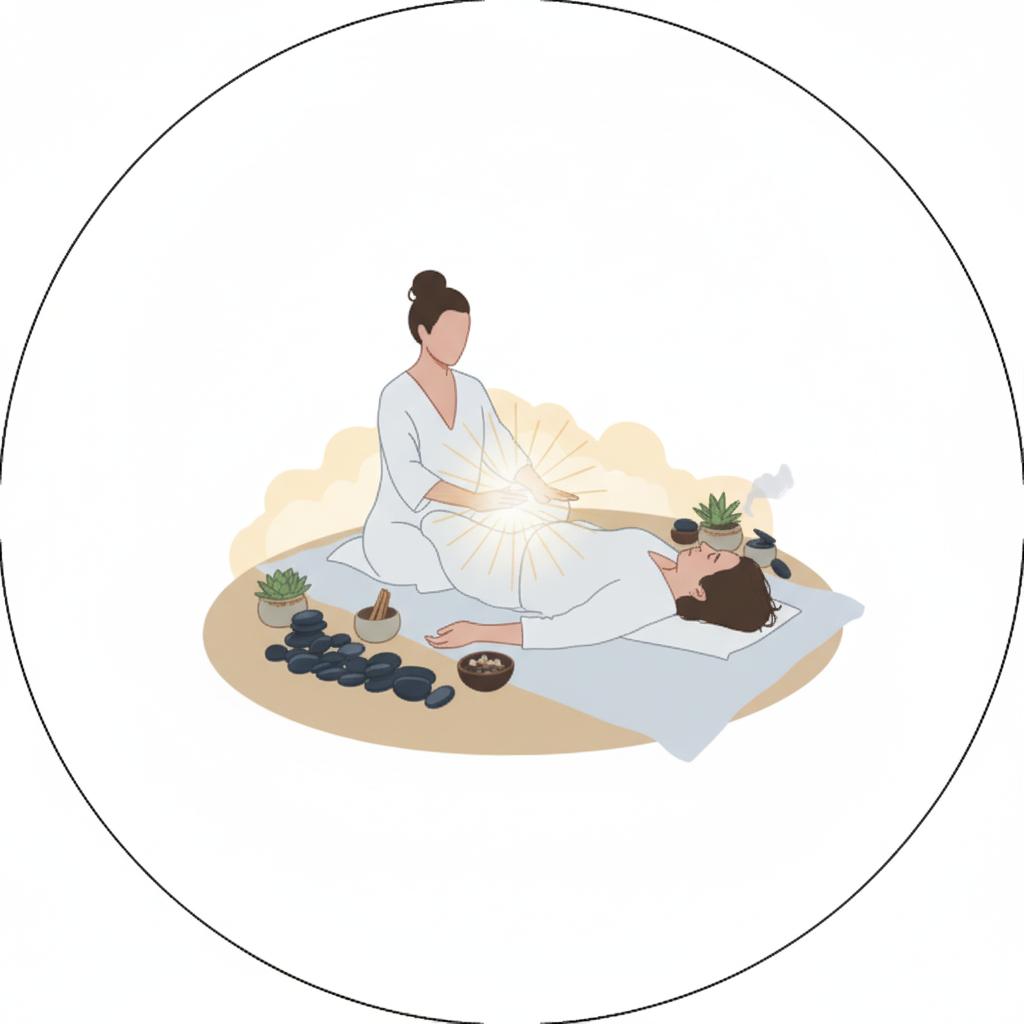
During a typical Reiki session, the recipient usually lies fully clothed on a massage table while the practitioner lightly places their hands on or above different parts of the body. Each hand position is believed to target specific chakra points, which are energy centers aligned with various aspects of physical and emotional health. Techniques may include:
- Gentle Touch: Practitioners may place their hands on the client’s body or hover just above it.
- Distance Healing: Reiki can be practiced remotely, where practitioners send healing energy to recipients regardless of location.
- Chakra Balancing: Practitioners may focus on aligning and balancing the body’s chakras.
These methods aim to clear energy blockages and restore balance, leading to an overall sense of relaxation and rejuvenation.
Historical Context of Reiki
The history of Reiki traces back to the early 20th century, credited to Dr. Mikao Usui, a Japanese Buddhist. After a profound spiritual experience, he developed the practice based on his understanding of healing and energy. He established the first Reiki center in Tokyo in 1922. As Reiki gained popularity, it was introduced to the West in the 1930s and has since evolved into various styles and schools of practice.
One prominent branch of Reiki is Usui Shiki Ryoho, ensuring that the original techniques and teachings are preserved. Other styles may incorporate additional elements such as crystals, sound healing, or even specific visualization techniques, allowing for a wide variety of healing experiences.
Does Reiki Work?
A common question that arises is whether Reiki actually works or if it is merely a product of the mind. Research studies suggest that many recipients of Reiki experience deep relaxation, reduced anxiety, and improved emotional health. Although scientific evidence remains inconclusive, personal testimonies often highlight the power of Reiki in improving overall well-being.
Critics may argue that the benefits of Reiki are due to the placebo effect, meaning that the belief in its effectiveness could lead to a perceived improvement in health. Regardless of its scientific standing, many people find value in the practice, citing positive feelings and stress relief after sessions.
Ultimately, Reiki is a complementary approach to traditional medical treatments. It is not intended to replace medical care, but rather to support it. Many healthcare providers are open to holistic practices alongside conventional treatments, allowing individuals to explore various avenues for healing.
Final Thoughts
Understanding Reiki involves learning about its principles, techniques, and historical roots. Whether or not you believe in its efficacy, it offers a pathway for relaxation and emotional healing. If you are curious, consider finding a qualified practitioner and experiencing a session for yourself. You may discover a newfound sense of peace and balance in your life.
The Efficacy of Reiki: Exploring Scientific Evidence and Personal Experiences
Reiki is a form of alternative therapy that originated in Japan in the early 20th century. It focuses on energy healing through the gentle touch of a practitioner’s hands. Many people seek Reiki to promote relaxation, reduce stress, and support healing. But the question remains: does it actually work, or is it simply a product of the mind? This debate has sparked interest among both practitioners and skeptics alike.
Understanding Reiki
At its core, Reiki operates on the principle that all living beings have a life force energy. When this energy is low, we are more likely to experience stress and illness. Conversely, high energy levels can improve wellbeing. During a Reiki session, a practitioner places their hands lightly on or near a person’s body, allowing energy to flow and restore balance. Many users report feelings of peace, relaxation, and comfort, while some experience sensations like heat or tingling during treatment.
The Science Behind Reiki
Scientific research on Reiki remains limited, but several studies have explored its effects on various conditions. Here are a few insights from recent research:
- Stress Reduction: Some studies suggest that Reiki may aid in reducing stress and anxiety. Research published in the Journal of Alternative and Complementary Medicine found that participants who received Reiki reported lower levels of cortisol, the stress hormone.
- Pain Management: Some evidence indicates that Reiki can help manage pain. A study in the American Journal of Hospice and Palliative Medicine showed that patients receiving Reiki experienced less pain and reported higher satisfaction with their treatment.
- Improved Quality of Life: A study examined patients with chronic illnesses who underwent Reiki therapy. They reported improvements in quality of life and overall emotional wellbeing, suggesting that Reiki could serve as a complementary therapy.
Personal Experiences with Reiki
While scientific evidence provides some insights, personal experiences often tell a powerful story. Many individuals share their journeys with Reiki, describing transformative benefits:
- Emotional Healing: People who have gone through trauma or loss find that Reiki helps them release pent-up emotions and fosters a sense of closure.
- Enhanced Recovery: Some cancer patients have shared anecdotes of faster recovery times when incorporating Reiki into their treatment plans, feeling it played a supportive role alongside medical care.
- Increased Mindfulness: Regular sessions encourage a deeper connection to oneself, promoting mindfulness and self-awareness. Many practitioners state that Reiki fosters a sense of calm and clarity.
Addressing Skepticism
Despite the positive experiences and some scientific backing, skepticism about Reiki persists. Critics argue that its effects might stem from the placebo effect, where individuals feel better simply because they believe they will. While this can’t be entirely dismissed, the personal reports of genuine relief and healing cannot be overlooked.
It’s also important to note that Reiki is not designed to replace conventional medical treatments. Instead, it can complement traditional medical approaches, improving overall health and wellbeing.
How to Approach Reiki
If you are curious about trying Reiki, it’s wise to approach it with an open but informed mind. Here’s how to enhance your experience:
- Research Practitioners: Look for qualified and certified Reiki practitioners in your area. Reading reviews and asking for recommendations can help you find reputable therapists.
- Set Intentions: Before your session, consider your goals. Whether you seek stress relief, emotional healing, or physical comfort, setting intentions can enhance your experience.
- Stay Open-Minded: Enter your session with curiosity and openness. Reiki operates differently for everyone, and being receptive to the experience can yield surprising benefits.
Whether Reiki “works” may depend on individual belief and experience. While scientific and anecdotal evidence suggests benefits, the personal connection to the practice is crucial for many. Approaching Reiki with an open heart and mind can pave the way for a unique healing journey.
Conclusion
Reiki, with its blend of ancient wisdom and modern wellness practices, offers a unique perspective on healing. Understanding its principles and techniques helps illuminate how this practice promotes relaxation and balance within the body. The historical context of Reiki, rooted in Japanese traditions, sheds light on its development and widespread acceptance in various cultures.
When considering the efficacy of Reiki, a nuanced view emerges. While scientific studies present mixed results, many individuals report profound personal experiences and transformative benefits after sessions. This highlights the importance of subjective experience in healing and wellness. For some, the soothing touch and intention behind Reiki can evoke feelings of comfort and peace that may contribute to enhanced well-being.
Ultimately, whether Reiki "works" may depend on personal belief and openness to the experience. Many find value in its holistic approach, viewing it not as a replacement for conventional medicine but as a complementary practice that supports emotional and physical health. By understanding both the principles of Reiki and the varying scientific perspectives, you can make an informed decision about whether this therapeutic touch resonates with your journey toward health and balance. Embracing Reiki might not just be about its effectiveness; it’s also about the deeper connection and healing it can foster within you.
Leave a Reply