Exploring the Spiritual Aspects of Reiki: Is It More Than Just Energy Healing?
Reiki has garnered attention as a holistic healing practice that many people are curious about. At its core, Reiki is often described as an energy healing technique, but is it more than that? The spiritual dimensions of Reiki invite individuals to explore deeper layers of healing, consciousness, and energy. Regardless of your existing beliefs, you might find yourself drawn to the idea of Reiki as a spiritual practice that connects the mind, body, and spirit.
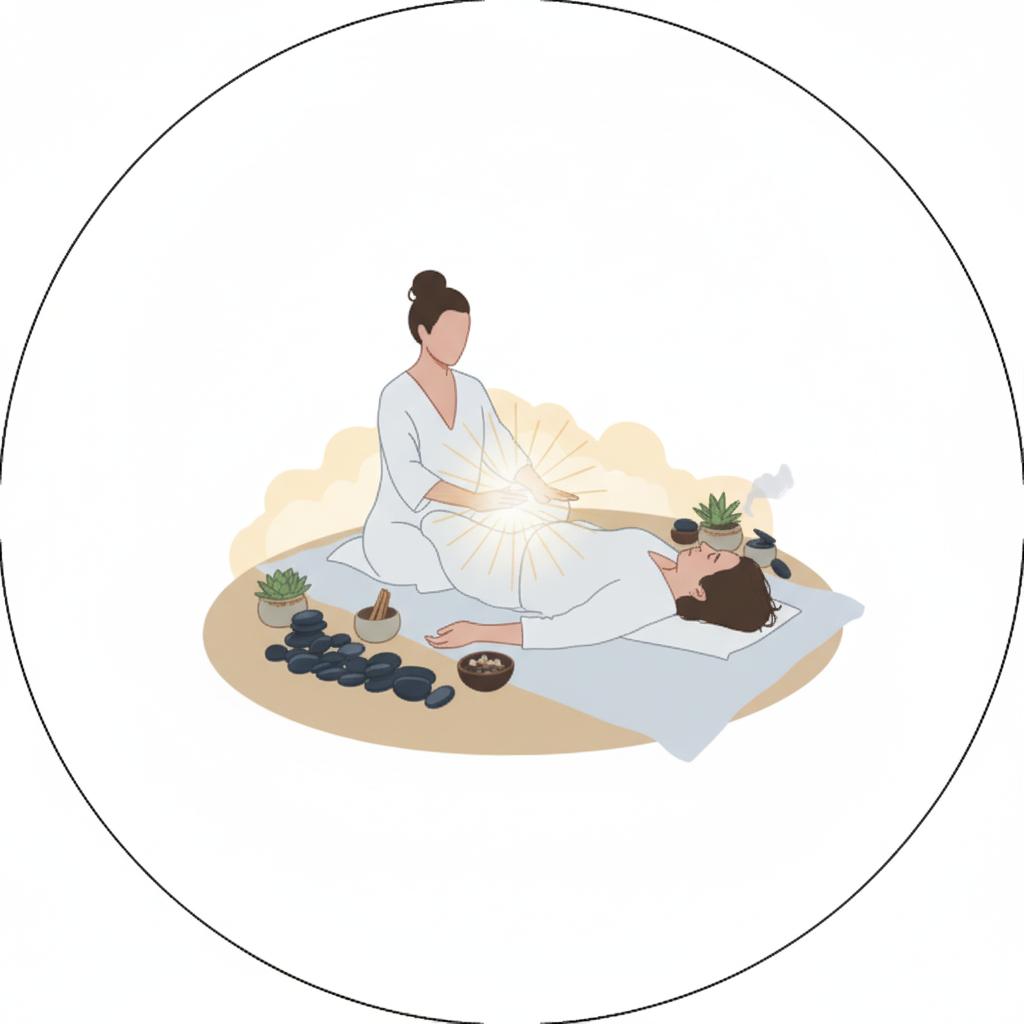
One of the fundamental principles of Reiki is the belief that life force energy flows through everyone. When this energy is disrupted or blocked, it can lead to physical, emotional, or spiritual distress. Practitioners serve as conduits for this energy, facilitating healing through gentle touch or even from a distance. The question arises: does this process engage with spiritual realms, or is it merely a physical practice? Many practitioners and clients alike report profound spiritual experiences during and after Reiki sessions, suggesting that there is an interplay between energy and spirituality.
In the world of Reiki, many practitioners align with traditional spiritual principles. Here’s a look at some of the spiritual aspects intertwined with Reiki:
- Universal Life Force: Reiki operates on the principle that energy, or “ki,” is present in all living things. This universal life force is thought to connect us all, highlighting a shared spiritual essence.
- Intention and Meditation: The focus during Reiki sessions often involves setting intentions. This meditative state invites both the practitioner and the receiver of Reiki to enter a deeper spiritual awareness.
- Healing Past Wounds: Many clients report that Reiki helps them release past emotional traumas. This process allows for spiritual healing and growth, addressing more than just physical ailments.
- Connection to Higher Self: Reiki encourages individuals to connect with their higher self. This connection can lead to greater self-awareness and spiritual growth, reinforcing the notion that it is more than just a physical healing practice.
As you engage in a Reiki session, you may experience sensations such as warmth or tingling as the energy flows. These sensations often prompt reflections on your own spiritual journey and insights about your life. Notably, the peaceful atmosphere created by Reiki fosters vulnerability and openness, allowing deeper exploration of one’s spirituality and inner self.
Furthermore, Reiki practitioners often integrate spiritual concepts into their practice. For instance, healing crystals, affirmations, or spiritual symbols might be employed to enhance the healing experience. The blending of these elements emphasizes the idea that Reiki transcends mere physical healing and invites you to explore spiritual dimensions.
Some individuals question whether Reiki is a religion or requires specific beliefs. The good news is that Reiki is not religion-bound. You can practice or receive Reiki regardless of your spiritual background or belief system. This inclusivity makes Reiki accessible to a diverse audience, creating a welcoming environment for all.
Many who experience Reiki also report a sense of peace, comfort, and connection—feelings often associated with spiritual practices. The act of surrendering to the energy allows individuals to release tension and anxiety, creating space for spiritual reflection and growth. Thus, it becomes evident that even those who may not identify as spiritual can benefit from Reiki’s results.
To explore the spiritual aspects of Reiki further, consider participating in group healing sessions or workshops. These settings not only provide hands-on experience but also encourage sharing and learning from others’ experiences. Often, these shared stories run deeply in spiritual narratives, adding layers to your understanding of what Reiki means to you.
In essence, Reiki acts as a bridge between physical health and spiritual wellness. You may find that the energy healing process deeply resonates with your own beliefs or invites you to seek greater understanding. Ultimately, the practice encourages an exploration of your spiritual self, opening pathways to healing that often extend well beyond the physical realm.
So, is Reiki a spiritual thing? For many, it certainly is, as it creates opportunities to engage with the spiritual aspects of themselves while promoting overall healing. Whether you approach Reiki from a purely physical angle or embrace its spiritual depth, one thing is clear: the experience facilitates healing on multiple levels, inviting you to discover what truly resonates with you.
The Role of Belief Systems in Reiki Practice and Its Spiritual Significance
In the world of holistic healing, Reiki stands out as a practice that intertwines energy, healing, and belief systems. Many individuals find themselves drawn to Reiki as they seek alternative methods for well-being. At its core, Reiki encourages practitioners to channel universal life energy that flows through everything. However, the effectiveness and overall experience of Reiki can often depend on the belief systems of both the practitioner and the recipient.
One of the fundamental aspects of Reiki is its deep spiritual significance. For many, Reiki is more than a healing technique; it serves as a bridge to spirituality. Practitioners often embrace the belief that they are tapping into a higher source of energy, which aligns with various spiritual philosophies. Understanding how belief systems play a role in Reiki can enhance not only the practice itself but also the healing journey for individuals. Here’s how:
1. The Influence of Personal Beliefs
The beliefs you hold can significantly impact your Reiki experience. When you approach a session with an open mind and faith in the process, studies suggest that you might be more likely to experience positive outcomes. Personal beliefs shape your expectations and can enhance your receptiveness to energy healing. Here are some key beliefs that practitioners often carry:
- Trust in Energy Healing: Believing that energy can be transferred and healed lays the foundation for a successful Reiki session.
- Connection to Universal Energy: Embracing the concept that you are part of a larger universe can create a sense of oneness.
- Intention with Healing: Setting a clear intention for healing helps in creating a focused environment for energy work.
2. Cultural and Spiritual Backgrounds
Diving into different cultural beliefs surrounding healing can reveal fascinating insights about Reiki. Historically, Reiki originates from Japanese traditions, intertwined with Buddhist principles. However, over time, various cultures have adopted and influenced the practice. Each culture contributes its own perspectives on energy, healing, and spirituality. For example:
- Japanese Spirituality: Emphasizes the importance of serene environments and mindfulness, often warming individuals up to the concept of energy healing.
- Western Spirituality: Might incorporate a broader range of spiritual beliefs, which can invite skepticism or curiosity about Reiki’s efficacy.
3. Shared Experiences and Community Beliefs
The collective beliefs of a community can also shape an individual’s experience with Reiki. When you engage in group practices, the energy exchanged amplifies and creates a supportive atmosphere. Here’s how community influences Reiki:
- Empowerment through Group Healing: Many individuals feel empowered when they see others’ positive experiences with Reiki.
- Cultural Rituals: Participating in rituals or ceremonies as a community can deepen shared beliefs in Reiki and its spiritual significance.
- Support and Understanding: Finding others who share your beliefs offers validation for your experiences with Reiki.
4. Personal Transformation and Growth
Many practitioners and recipients of Reiki report profound personal changes. These transformations often stem from shifts in belief systems. As energy blockages are addressed, individuals can experience emotional and spiritual growth. Here are some examples of personal change:
- Increased Self-Awareness: Reiki encourages introspection which can lead to a deeper understanding of one’s beliefs.
- Openness to Healing: Individuals become more receptive to various healing modalities, realizing that healing can be spiritual, emotional, and physical.
- Connection to Inner Guidance: The practice often aids individuals in developing their intuition, guiding them to trust their inner voice.
Belief systems into the practice of Reiki can drastically enhance the holistic healing experience. When practitioners and recipients understand and embrace the spiritual elements of Reiki, they pave the way for a transformative experience. Engaging with Reiki not only addresses physical ailments but also nurtures spiritual growth and development.
Ultimately, whether you view Reiki as a spiritual thing or as an alternative healing practice, your belief system plays a crucial role in shaping your experience. Embracing this connection may lead to a journey of healing and self-discovery, enriching your life in ways you may not have anticipated.
Conclusion
As we delve into the discussion of whether Reiki is a spiritual thing, it’s clear that this practice encompasses a rich tapestry of beliefs, experiences, and intentions. Exploring the spiritual aspects of Reiki reveals that it often transcends mere energy healing. Many practitioners and recipients share experiences of profound emotional shifts, heightened awareness, and even feelings of connection to something greater than themselves. This suggests that Reiki can indeed serve as a doorway to spiritual exploration and self-discovery.
The role of belief systems is equally significant in defining the spiritual significance of Reiki. The energy healing principles behind Reiki are often intertwined with the individual’s beliefs about healing, energy, and spirituality. A person’s mindset and openness can greatly influence their experience with Reiki, reinforcing the idea that spiritual beliefs can shape not only how they perceive Reiki but also the outcomes they achieve through practice.
Ultimately, whether or not Reiki is considered a spiritual practice may vary from person to person. For some, it serves as a holistic approach to wellness that embodies both physical and spiritual healing. For others, it may simply be a therapeutic technique to alleviate stress and discomfort. Regardless of where one stands on the spectrum of beliefs, Reiki offers a unique invitation to explore inner peace, personal growth, and a deeper understanding of oneself and one’s connection to the universe. Engaging with Reiki can open pathways that lead not just to healing but also to an enriching spiritual journey.
Leave a Reply