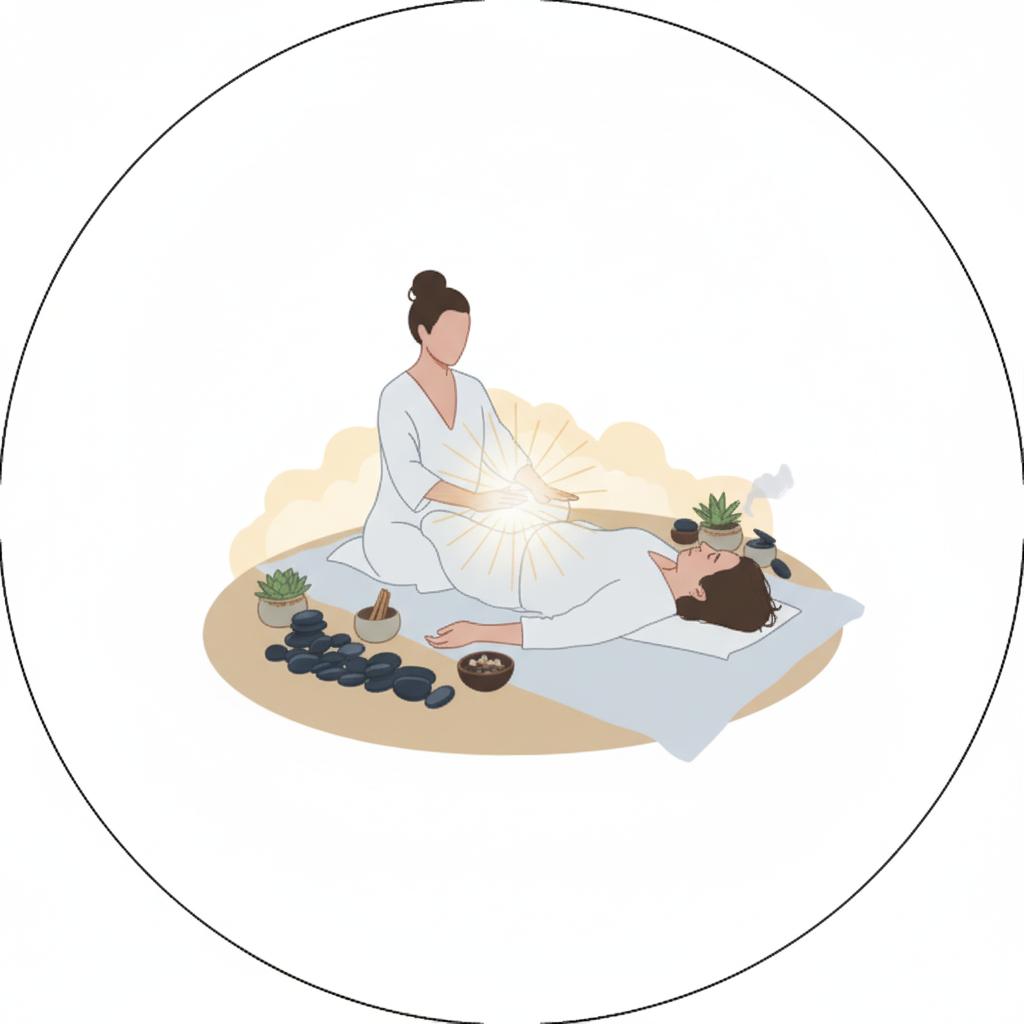
Understanding the Role of a Reiki Master in Energy Healing
In the realm of alternative healing, the concept of a Reiki master holds a significant place. To put it simply, a Reiki master is a trained practitioner in the healing art of Reiki, a technique that aims to channel energy for the purpose of healing. You might wonder, what exactly does this mean? Let’s delve deeper into the role of a Reiki master to understand their responsibilities, training, and the impact they can have on well-being.
A Reiki master is someone who has advanced knowledge of Reiki energy and the techniques associated with it. Once you work with or learn from a Reiki master, you are typically exposed to a more profound understanding of energy dynamics. They not only practice Reiki but also teach others to channel healing energy. This unique ability to both heal and instruct sets them apart from other practitioners.
You might be curious about the journey one takes to become a Reiki master. Here’s a simple overview of the process:
- First Degree (Reiki I): This is where students learn the basics of Reiki. They discover hand positions and can channel energy through touch.
- Second Degree (Reiki II): At this level, practitioners learn symbols that enhance their healing abilities. They begin to practice distant healing, allowing them to send energy across distances.
- Master Level (Reiki III): This is where individuals become Reiki masters. They learn more advanced techniques and symbols, empowering them to teach others.
This journey often takes time and dedication, as becoming a master involves not just learning but also embodying the principles of Reiki in daily life. It requires a commitment to personal growth and energy awareness. The role of a Reiki master is more than just a title; it’s about embodying compassion and understanding.
So, what does a Reiki master do in their practice? Their responsibilities can be varied, but generally include the following:
- Conducting Healing Sessions: A Reiki master can provide one-on-one healing sessions, helping clients release stress and restore emotional balance.
- Teaching Reiki: Many Reiki masters conduct classes to teach others how to practice Reiki. As teachers, they guide students through all three levels of Reiki training.
- Leading Workshops: Some masters offer workshops that focus on specific aspects of Reiki, such as meditation or advanced energy healing techniques.
- Mentoring Trainees: Many Reiki masters take on a mentorship role, supporting students in their healing journeys.
- Promoting Energy Awareness: By educating others about energy healing, a Reiki master helps spread understanding of holistic health.
It’s essential to note that working with a Reiki master can be a transformative experience. Individuals often find that their approach to health and wellness shifts dramatically when they integrate energy healing into their lives. Many people report feelings of relaxation, emotional release, and enhanced clarity after a session with a Reiki master.
If you’re considering visiting a Reiki master, you may wonder what to expect during a session. Typically, a Reiki session involves the following steps:
- Discussion: Your Reiki master will talk with you about your needs, history, and any specific issues you want to address.
- Relaxation: You will usually lie down in a comfortable position and close your eyes to help you relax completely.
- Energy Channeling: The Reiki master will place their hands lightly on or above your body, channeling energy to help balance your energy fields.
- Post-Session Discussion: After the session, a discussion often follows to share experiences and insights gained during the process.
A Reiki master plays a vital role in energy healing by facilitating the flow of energy, teaching others, and promoting holistic health. Their deep understanding of energy dynamics allows them to assist clients on their path to healing and wellness. Whether you’re a seeker looking for relief from stress or a student eager to learn, connecting with a Reiki master can open the door to transformative energy healing experiences.
The Path to Becoming a Certified Reiki Master: Steps and Benefits
Becoming a certified Reiki master is a transformative journey that combines personal development with healing techniques. If you’re considering this path, it’s essential to understand both the steps involved and the benefits you can gain from this profound practice.
Understanding the Basics of Reiki
Before diving into the steps to become a Reiki master, it’s crucial to grasp what Reiki is. Reiki is a form of alternative therapy that originated in Japan. It involves channeling energy through the hands to promote healing, relaxation, and balance. As you learn more about this practice, you will discover how it can not only heal others but also enhance your own energy and spiritual growth.
Steps to Become a Certified Reiki Master
The pathway to becoming a Reiki master involves several stages, typically beginning with foundational Reiki training. Here’s a step-by-step guide:
- Start with Reiki Level I: This is your entry-level training. You will learn the basic principles, hand positions, and techniques for performing Reiki on yourself and others. Expect to spend time understanding energy flow and chakra systems.
- Advance to Reiki Level II: This level focuses on distant healing, allowing you to send Reiki energy to individuals who are not physically present. You will learn various symbols used in Reiki and practice techniques to deepen your skills.
- Engage in Master Level Training: Here, you will learn how to teach and initiate others into Reiki. This level involves mastering advanced techniques and understanding deeper spiritual concepts. You will also explore the role of a Reiki master and the responsibilities that come with it.
- Practice Regularly: As you advance through the levels, it’s important to practice regularly. Create a dedicated practice space, meditate, and perform Reiki sessions to maintain your skills and confidence.
- Complete a Certification: Choose a reputable Reiki school or instructor that offers certification. Ensure the program aligns with your values and expectations. A recognized certification will enhance your credibility as a Reiki practitioner.
- Join a Reiki Community: Engage with other practitioners and certified masters. This will provide ongoing support, networking opportunities, and additional resources to enrich your learning.
Benefits of Becoming a Certified Reiki Master
Embarking on the journey to become a certified Reiki master offers numerous benefits that extend far beyond personal practice. Here are some key advantages you can gain:
- Enhanced Healing Abilities: Learning advanced techniques allows you to help others more effectively, promoting healing in body, mind, and spirit.
- Personal Growth: The journey of becoming a Reiki master involves deep self-reflection, which can lead to significant personal transformation and self-discovery.
- Empowerment: Gaining the title of Reiki master empowers you to assist others on their healing journeys. This can foster a sense of purpose and fulfillment.
- Community Connection: Joining a community of Reiki practitioners provides support, networking, and the chance to learn from others’ experiences.
- Spiritual Development: Engaging in Reiki practices promotes spiritual growth, helping you to connect more deeply with your inner self and the universe.
- Career Opportunities: As a certified Reiki master, you can offer services professionally, opening doors to new career paths or enhancing your current practice.
Final Thoughts on Your Reiki Journey
Choosing to become a certified Reiki master is about more than just acquiring a new skill; it’s an opportunity to enhance your life and those around you. With dedication, practice, and an open heart, you will unlock a powerful journey of healing, both personally and within your community. The rewards of becoming a Reiki master can be profound, allowing you to serve as a healing force in the lives of others.
Conclusion
Exploring the role of a Reiki Master in energy healing reveals a transformative journey that extends far beyond mere practice. These skilled practitioners harness the universal life force energy, facilitating healing and balance for themselves and others. Their ability to channel this energy fosters a deep sense of peace, enhances emotional well-being, and promotes overall health. For many, becoming a certified Reiki Master is a profound personal evolution filled with purpose and connection to the spiritual realm.
The pathway to certification is both accessible and rewarding. Aspiring practitioners can follow structured training programs, which not only teach essential techniques but also instill the values of compassion and ethical practice. This journey is enriched by the community of like-minded individuals, allowing for shared experiences, insights, and camaraderie. As students progress through various levels, they gain deeper knowledge and skills, culminating in the esteemed title of Reiki Master.
Ultimately, the experience of learning from and becoming a Reiki Master can be life-changing. You develop not just abilities that help others heal but also a greater understanding of yourself and your place in the world. Whether you’re seeking to become a practitioner or are simply curious about the healing properties of Reiki, the insights gained from engaging with a Reiki Master can profoundly influence your life. Embracing this journey opens doors to a more harmonious existence, fostering both personal growth and the ability to serve others in powerful ways.
Leave a Reply