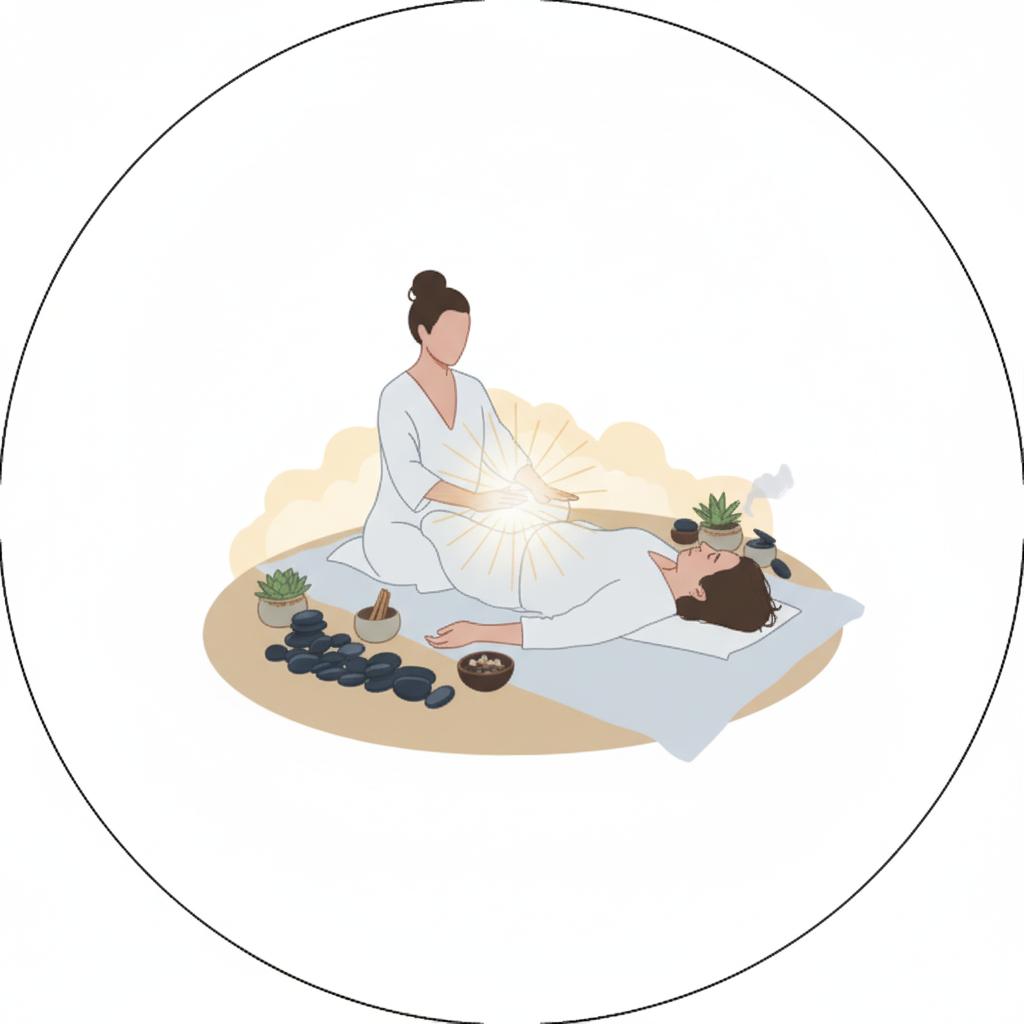
Understanding Reiki Healing Therapy: Principles and Benefits
Reiki healing therapy is a fascinating practice that many people are discovering for its potential benefits. This holistic approach stems from Japan and is based on the idea that there is a universal life force energy that flows through all living things. When this energy is balanced, it promotes well-being. However, when it is blocked or depleted, it can lead to emotional and physical issues. Understanding the principles of Reiki and its benefits can greatly enhance your journey toward overall health and relaxation.
What is Reiki Healing Therapy?
Reiki is a gentle touch therapy that encourages healing through energy transfer. Practitioners of Reiki, or Reiki Masters, serve as conduits for this life force energy. They use their hands to channel energy into the recipient’s body, aiming to relieve stress and promote healing. There are no special tools needed; you simply need a quiet space to facilitate the therapy.
Key Principles of Reiki
At the heart of Reiki therapy are several core principles that guide practitioners:
- Energy Flow: Reiki focuses on the belief in the life force energy that flows through everyone. When this energy flows freely, it helps maintain balance and harmony.
- Intent: The intention behind the touch plays a crucial role. Practitioners aim to provide healing energy, believing in its power to support the individual’s healing journey.
- Holistic Approach: Reiki treats the whole person, not just the symptoms. It considers emotional, mental, and spiritual dimensions of health.
- Relaxation: Reiki promotes deep relaxation, helping to reduce stress and anxiety, which can otherwise hinder the healing process.
- Non-invasive: Reiki is safe for everyone, regardless of age or health condition, making it an inclusive therapy.
Benefits of Reiki Healing Therapy
Many people seek out Reiki healing for its numerous benefits. Here are some of the most widely reported advantages:
- Reduces Stress: One of the most immediate effects of Reiki is relaxation. The process helps calm the mind and body, reducing stress levels significantly.
- Improves Emotional Well-being: Reiki can help release emotional blockages and promote a feeling of inner peace. Many individuals find it aids in enhancing their mood and emotional health.
- Aids in Pain Relief: Studies suggest that Reiki can reduce pain levels in various conditions. It is often used as a complementary therapy for chronic pain management.
- Promotes Healing: Reiki supports the body’s natural healing processes. It may help speed up recovery from illness or surgery.
- Enhances Clarity and Focus: As the mind relaxes, clarity and focus often improve. Many people report greater mental clarity and productivity after a Reiki session.
- Supports Mental Health: Reiki has been recognized for its potential to support those dealing with depression and anxiety. It provides a comforting atmosphere where individuals can feel safe to explore their emotions.
How to Experience Reiki
If you’re interested in trying Reiki healing therapy, it’s essential to find a qualified practitioner. You can start by researching local Reiki practitioners or centers. Many practitioners offer in-person sessions, but virtual options are also available, making it accessible no matter where you are.
During a session, you will typically lie down fully clothed in a comfortable position. The practitioner will lightly place their hands on or near your body. You may feel warmth or tingling as the energy flows. Most importantly, remain open to the experience, letting it take you wherever it may lead.
Final Thoughts
Reiki healing therapy is a unique and powerful tool for enhancing your overall wellness. Whether you are seeking stress relief, emotional support, or pain management, Reiki offers an avenue for healing that is gentle and non-invasive. If you’re looking to explore new ways to improve your health, consider embracing the benefits of Reiki. You might just find it to be a fulfilling addition to your journey towards well-being.
How to Incorporate Reiki Healing Therapy into Your Daily Life
Integrating Reiki healing therapy into your daily life can create a transformative impact on your overall well-being. By taking simple steps, you can harness the powerful benefits of this ancient practice. Here’s how you can make Reiki a part of your everyday routine.
The Basics of Reiki Healing Therapy
First, it’s important to understand what Reiki healing therapy is. Developed in Japan, Reiki is a form of energy healing that encourages relaxation and stress relief. It involves channeling energy from the practitioner to the recipient, promoting healing on physical, emotional, and spiritual levels. By becoming familiar with its principles, you can open yourself to its benefits.
Meditation and Mindfulness
One of the foundational practices to incorporate Reiki into your daily life is through meditation. Taking just a few minutes each day to meditate helps you center your energy and maintain a focus on your well-being. Here’s a simple method:
- Find a Quiet Space: Choose a comfortable spot where you won’t be disturbed.
- Set Your Intention: Before starting, think about what you want to accomplish through your meditation. This could be relief from stress or a desire for clarity in your life.
- Practice Deep Breathing: Inhale deeply through your nose, and exhale slowly through your mouth. This helps calm your mind and body.
- Visualize Energy Flow: Picture a warm light enveloping you, representing healing energy. Imagine it flowing through you, helping to release tension and negativity.
Daily Self-Treatment
A great way to integrate Reiki into your routine is through self-treatment. You don’t need to be a certified practitioner to benefit from it. By following a few steps, you can conduct a simple self-Reiki session:
- Choose a Comfortable Position: Sit or lie down in a way that feels comfortable to you.
- Use Your Hands: Start by placing your hands on your head, and then gradually move to other areas of your body as you feel guided.
- Focus on Areas of Tension: Pay attention to any particular areas that feel particularly stressed. Allow the energy to flow to these areas.
- Trust the Process: You may notice sensations—warmth, tingling, or even emotions surfacing. Accept these feelings as part of the healing journey.
Journaling Your Experience
Another effective way to incorporate Reiki healing therapy is through journaling. Keeping a record of your experiences can enhance your understanding of your emotional and physical state:
- Record Insights: After each meditation or self-treatment, jot down any insights, feelings, or sensations you experienced.
- Set Goals: Write about your intentions for your Reiki practice, and track your progress over time.
- Reflect on Changes: Note any shifts in your mood, energy, or health as you continue your Reiki journey.
Incorporate Reiki into Your Surroundings
Creating a supportive environment can enhance your Reiki practice. Here are some tips:
- Use Crystals: Certain crystals, like clear quartz or amethyst, can amplify your healing energy. Place them in your meditative space.
- Diffusers and Essential Oils: Consider using lavender or chamomile oils in a diffuser to promote relaxation during your sessions.
- Art and Symbols: Display Reiki symbols or calming art in your space to keep your intention for healing present.
Participate in Group Reiki Sessions
Look for local Reiki classes or community events. Participating in a group session can deepen your practice and provide new insights. Connecting with others who share your interest can enhance the sense of community and encouragement on your healing journey.
By choosing to incorporate Reiki healing therapy into your daily life, you can help promote a more balanced and positive state of being. Remember, the journey is unique for everyone. Be patient with yourself as you explore all that Reiki has to offer.
Conclusion
Reiki healing therapy offers a unique approach to wellness that focuses on restoring balance and promoting healing through energy. By understanding its principles, you can appreciate the profound benefits it brings, from reducing stress and anxiety to enhancing emotional and physical well-being. Engaging in regular Reiki sessions empowers you to tap into your body’s natural healing abilities, making it an effective complementary therapy for various conditions.
Reiki into your daily life can be simple and fulfilling. You don’t need to be a Reiki practitioner to experience its effects; even basic techniques, like self-Reiki or mindfulness practices, can enhance your overall health. Setting aside just a few moments each day for meditation or visualization can greatly contribute to your mental clarity and emotional stability.
Exploring Reiki’s principles invites you to develop a deeper connection with yourself and those around you. Whether you choose to visit a professional or practice self-healing, you create space for relaxation and rejuvenation. The versatility of Reiki allows it to fit seamlessly into your routine—be it through group sessions, one-on-one treatments, or even online classes.
By embracing Reiki healing therapy, you embark on a journey of self-discovery and personal growth. As you prioritize your well-being and connect with your inner self, you can experience a lasting transformation that enhances your quality of life. The journey of healing is continuous, and with Reiki as a guide, you hold the key to unlocking your true potential.
Leave a Reply