Exploring How Reiki Can Help with Anxiety Management
In today’s fast-paced world, many people experience anxiety at some point in their lives. Stressful days, overwhelming responsibilities, and constant pressure can lead to feelings of unease and tension. Finding effective ways to manage anxiety is crucial for overall well-being. One alternative therapy that has gained attention is Reiki. This gentle healing practice focuses on balancing energy within the body, and it’s worth exploring how it can help with anxiety management.
What is Reiki?
Reiki is a Japanese technique for stress reduction and relaxation that promotes healing. Practitioners believe they can channel energy into a patient through gentle touch or by placing their hands near the body. This helps shift the recipient into a space of peace and tranquility. While Reiki does not replace traditional medical treatments, it can complement them, especially for those struggling with anxiety.
How Reiki Addresses Anxiety
Many people who attend Reiki sessions report a sense of calm enveloping them. There are several ways Reiki may help with anxiety:
- Relaxation Response: Reiki encourages deep relaxation. This state helps ease the tension in the body and mind, providing a much-needed break from anxious thoughts.
- Energy Flow: It’s believed that anxiety can block the body’s energy pathways. Reiki aims to clear these blockages, allowing energy to flow freely, which can lead to emotional and mental clarity.
- Mindfulness: Participating in a Reiki session promotes mindfulness by encouraging individuals to focus on the present moment. This shift can distract from anxiety-triggering thoughts and provide a sense of control.
- Supportive Environment: When you receive Reiki, you are in a nurturing and supportive setting. This atmosphere can significantly reduce feelings of isolation often associated with anxiety.
What to Expect During a Reiki Session
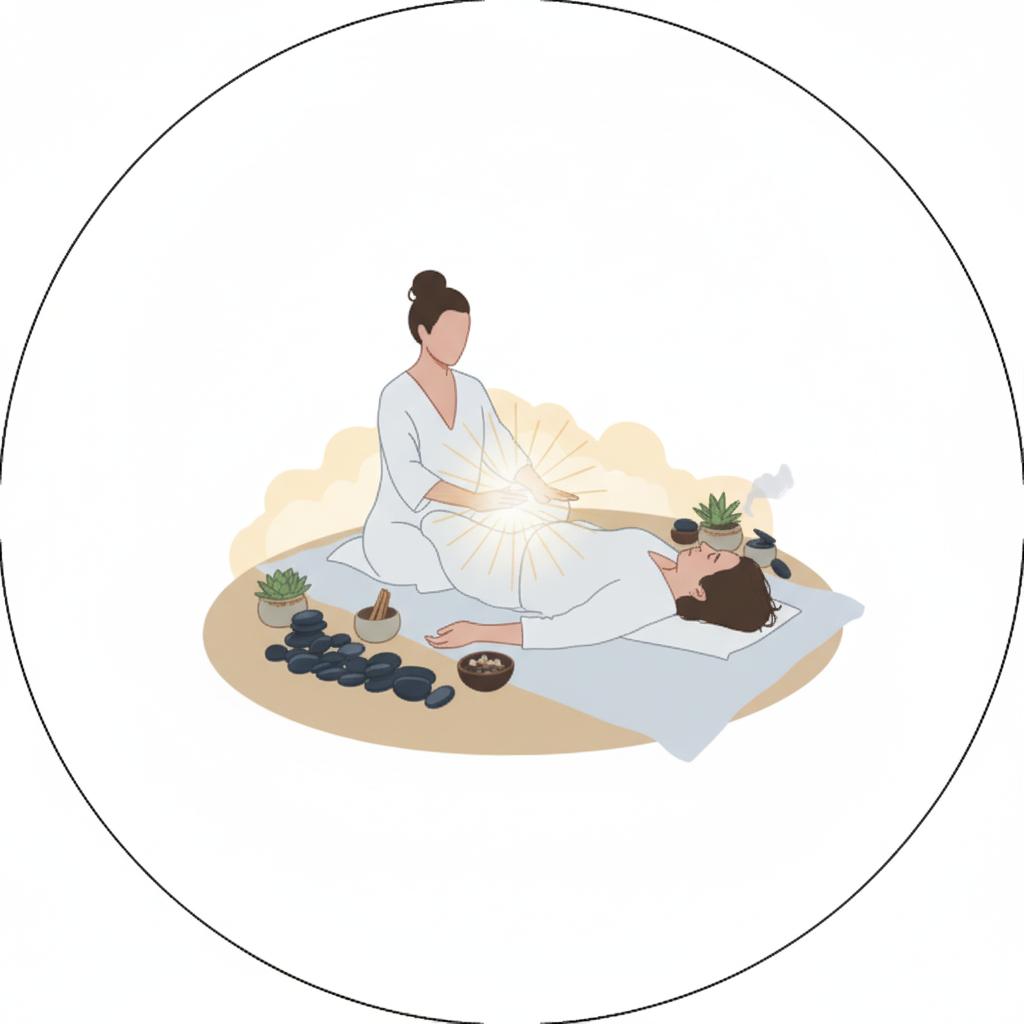
If you’re considering trying Reiki for anxiety, understanding what to expect can help ease any apprehensions. During a session, you will typically lie down fully clothed in a quiet, serene environment. The practitioner will lightly place their hands on or near your body. The session lasts about 60 minutes, providing ample time for relaxation. Most individuals describe experiencing a warm, soothing sensation, along with deep relaxation.
Personal Experiences with Reiki for Anxiety
Many individuals have shared their transformative experiences with Reiki. For example:
- Some people report reduced anxiety levels after just a single session, feeling an immediate sense of relief.
- Others share that regular sessions have helped them develop coping mechanisms for their anxiety, allowing them to handle stressful situations better.
- A few practitioners have noticed improved sleep patterns, which significantly aids in managing stress and anxiety.
Finding a Reiki Practitioner
To gain the benefits of Reiki, it’s essential to find a qualified practitioner. Here are some tips to help you choose the right one:
- Research Credentials: Look for practitioners who are certified and have completed training through reputable programs.
- Read Reviews: Check online reviews or ask for recommendations from friends or family who have received Reiki.
- Trust Your Intuition: It’s vital to feel comfortable with your practitioner. Trust your instincts about their approach and energy.
Reiki into Your Anxiety Management Plan
For those dealing with anxiety, adding Reiki to a comprehensive management plan could be beneficial. Combining it with other strategies, such as therapy, mindfulness, exercise, or medication, can enhance overall treatment. Each approach may cater to different aspects of your anxiety, bringing you closer to finding balance and peace.
Ultimately, Reiki offers a unique method of relaxation and healing that can aid those grappling with anxiety. While scientific backing is still growing, personal testimonials highlight its potential. If you’re seeking alternative ways to manage anxiety, consider giving Reiki a try. It may just be the soothing support you need on your journey to calmness.
The Benefits of Integrating Reiki into Traditional Anxiety Treatments
Integrating Reiki into traditional anxiety treatments can offer a unique and holistic approach to managing anxiety. Reiki, a Japanese healing technique, taps into the body’s natural energy to promote relaxation and reduce stress. This method complements conventional treatments in several meaningful ways. Understanding these benefits can help you make informed decisions about your mental health care.
One of the most significant advantages of using Reiki is its ability to induce deep relaxation. When you undergo a Reiki session, the practitioner uses gentle touch or places their hands near you to channel healing energy. This process encourages your body to enter a state of calm. When you are relaxed, your heart rate slows, and your muscles release tension. This shift can be particularly beneficial for individuals who frequently experience anxiety. By integrating Reiki with traditional anxiety treatments, you have an additional tool for managing stress levels.
Many individuals dealing with anxiety also struggle with negative thoughts. Reiki can facilitate a shift toward positive thinking. By clearing blocked energy and promoting emotional balance, Reiki helps you release feelings of fear and worry. After a session, you may find that anxious thoughts are less overwhelming. This emotional clarity can enhance the effectiveness of talk therapy or cognitive-behavioral therapy (CBT) that’s often employed as standard anxiety treatments.
Furthermore, Reiki enhances self-awareness. The practice encourages you to tune into your body and emotions. By becoming more aware of your feelings, you can recognize anxiety triggers, making it easier to address them. This self-awareness can lead to better coping strategies and healthier responses to stressful situations. In this way, Reiki complements psychotherapy, as it can enhance the insights gained during counseling sessions.
Integrating Reiki with traditional anxiety treatments can also improve your overall well-being. Studies have shown that individuals who use complementary therapies like Reiki report greater satisfaction with their mental health treatment. Some specific benefits include:
- Reduced symptoms: Individuals using Reiki have noted a significant decrease in anxiety symptoms, including irritability, racing thoughts, and difficulty sleeping.
- Emotional release: Reiki facilitates emotional healing, allowing you to confront and release long-held emotional pain, which can contribute to anxiety.
- Holistic approach: By addressing both the emotional and physical aspects of anxiety, Reiki offers a more comprehensive approach to treatment.
- Enhanced relaxation: The calming effects of Reiki can lead to better sleep quality, which is essential for managing anxiety effectively.
Moreover, Reiki is safe and non-invasive. It can be used in conjunction with other treatments without the risk of adverse effects. This safety aspect makes it an appealing option for many seeking relief from anxiety. If you are currently on medication or attending therapy, consult with your healthcare provider to see how Reiki could be integrated into your current treatment plan.
Another notable benefit of Reiki is its accessibility. Many practitioners offer remote sessions, allowing you to receive healing even from the comfort of your home. This flexibility can be particularly advantageous for those with mobility issues or busy schedules. Many people find that participating in virtual sessions helps them stay committed to their anxiety management routine.
Integrating Reiki into traditional anxiety treatments fosters a sense of community and support. Joining a Reiki group or attending workshops can open doors to new friendships and shared experiences, which are vital for emotional well-being. Having a support network can enhance your healing journey, offering both motivation and understanding.
Incorporating Reiki into traditional anxiety treatments presents an array of benefits. From promoting relaxation and enhancing self-awareness to improving overall well-being, this gentle healing practice can serve as a powerful complement to conventional approaches. If you’re exploring different avenues for managing your anxiety, consider giving Reiki a try to discover how it can positively impact your mental health journey.
Conclusion
Reiki offers a holistic approach to managing anxiety that can complement traditional treatments. By promoting relaxation and reducing stress, Reiki helps you tap into a deeper sense of peace. This healing practice encourages a balance between your mind and body, making it a valuable tool for anyone looking to alleviate feelings of anxiety.
Many people find that integrating Reiki into their existing treatment plans enhances their overall well-being. This combination can lead to improved emotional resilience and a greater capacity to handle life’s stressors. When paired with therapies such as counseling or medication, Reiki provides an added layer of support, addressing not just the symptoms but also fostering a lasting sense of calm.
As you consider options for anxiety management, remember the potential benefits of incorporating Reiki into your routine. With its focus on energy healing and emotional balance, Reiki can empower you to embark on a journey of self-discovery and healing. Embracing this gentle practice may be the missing piece to your anxiety puzzle, providing a unique way to nurture your mental health.
Ultimately, your path to managing anxiety is personal, and exploring Reiki could open new doors to healing and serenity. If you are curious about how Reiki could fit into your wellness journey, consider seeking out a qualified practitioner. The path to a more balanced, peaceful life is within reach, and Reiki may be the supportive ally you need on that journey.
Leave a Reply